COLLECT TO INSPIRE
A PILGRIMAGE INSIDE THE HOLY GROUNDS OF THE ALFISTI
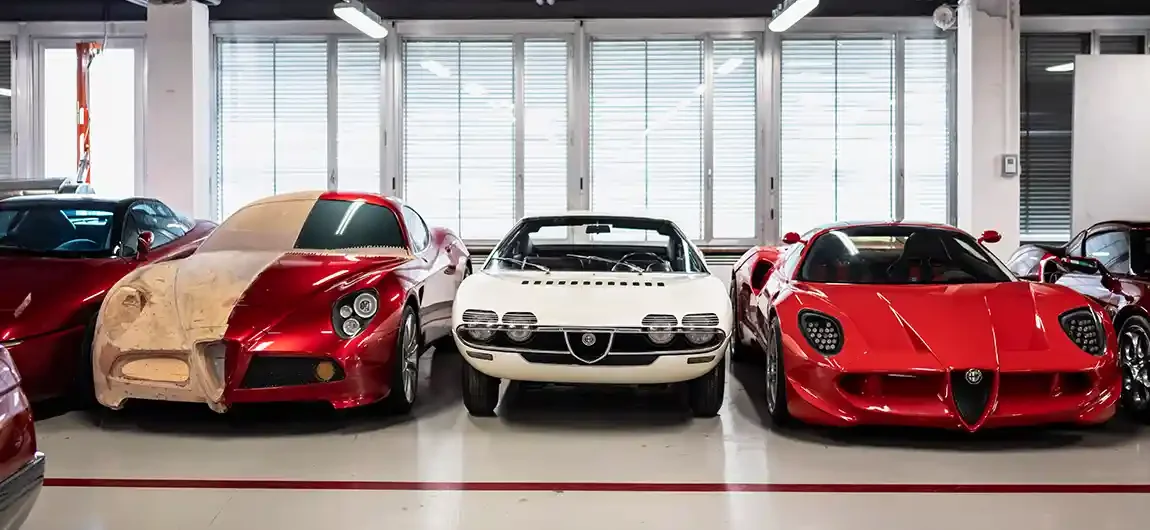
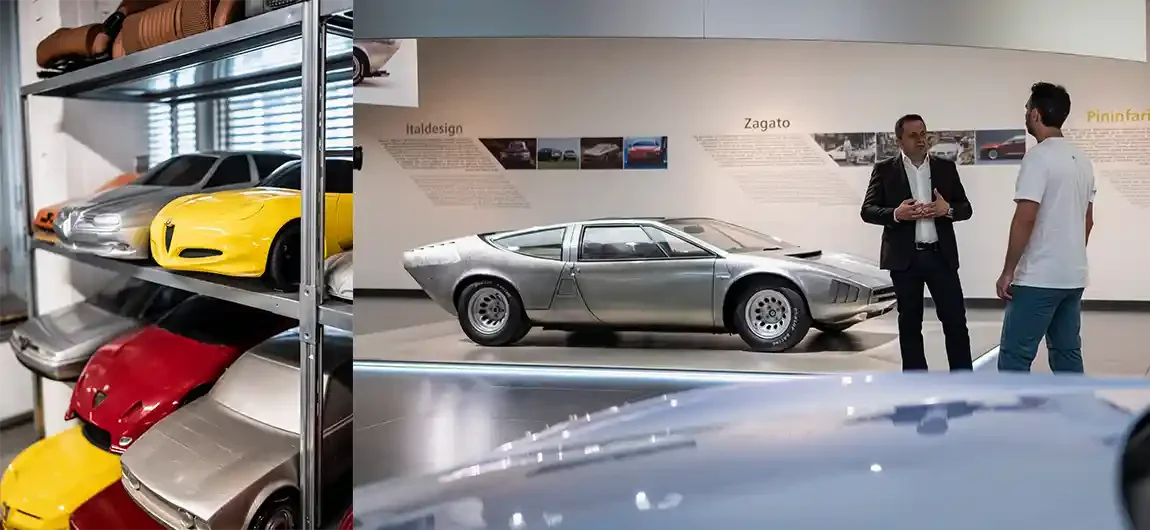
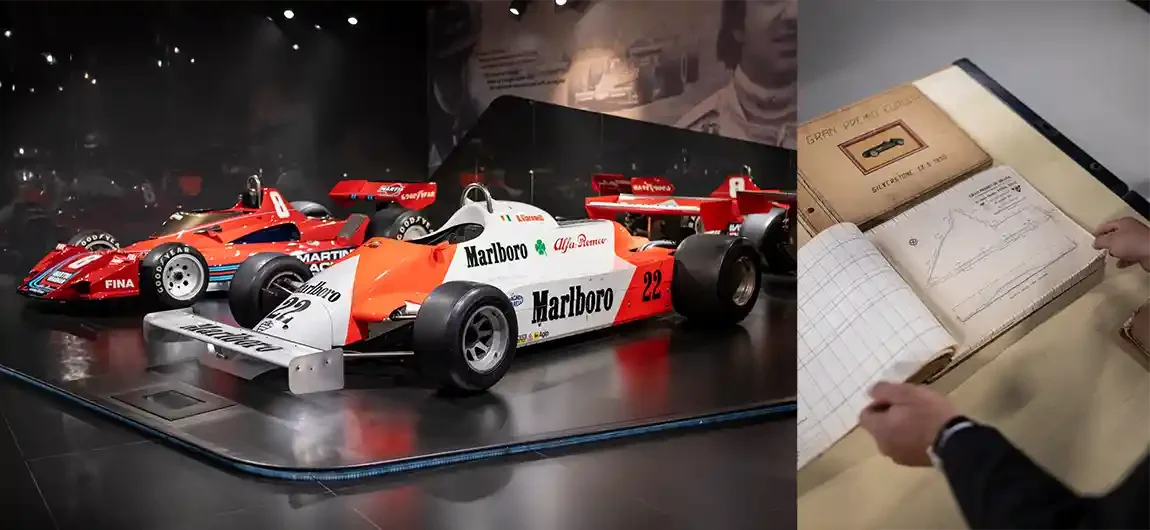
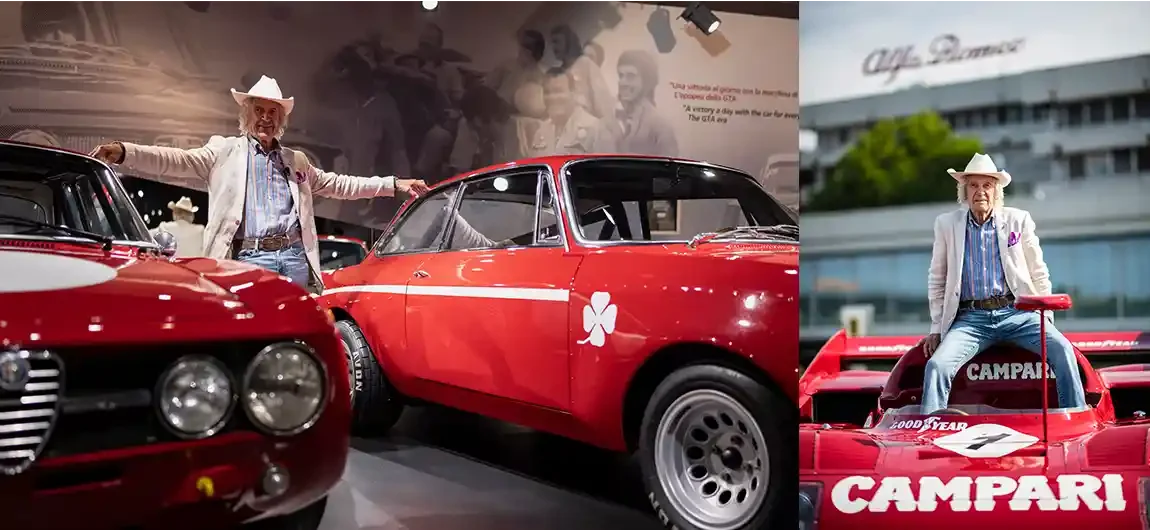
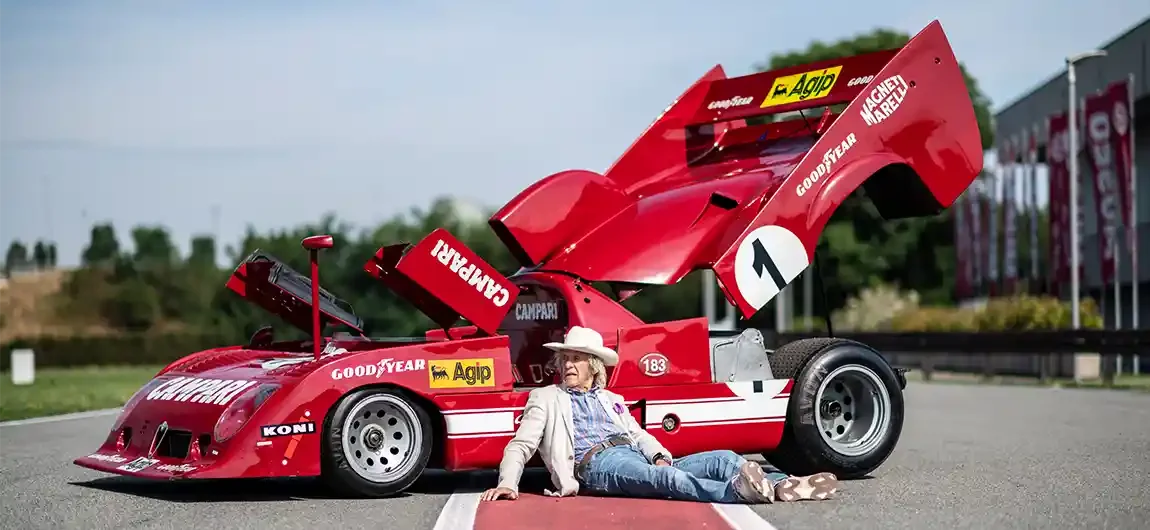
Ten years ago, the late Sergio Marchionne had a €5bn vision for the future of Alfa Romeo, his most beloved brand of his roster at the then FCA conglomerate. The storied marque was to return to the fore and take control of the premium segment, brushing aside German or Japanese competitors who enjoyed the limelight unchallenged for too long. Eight new Alfas should have been with us by 2018 and, if we were to judge by the reception the then-new Giulia was receiving, there were little doubts that the mood might have soured in the offices of its named rivals. Marchionne realised that the heritage of the Milan-founded brand is unrivalled and the depth of its backcata log can provide a wealth of inspiration not just to the lifelong fans, but also to a new generation that wasn’t lucky enough to have been exposed to it already. We didn’t get to see those eight new models, but, in addition to the superb Giorgio platform, 2015 also marked the re-opening of Mu seo Storico Alfa Romeo, standing where the once-mighty Arese plant churned one Giulia after another in its 1960s heyday. T he extensive collection had, as you might expect, an adventurous past, dodging a world war that left it scattered amongst the flattened factories and a more recent scare that only ended after the Italian government stepped in and placed it un der state protection. Its post-war saviour was Luigi Fusi, who in 1956 curated its f irst incarnation. Today, the task is in the hands of its current custodian, Lorenzo Ardizio, a car designer, writer, publicist and academic with almost two decades of involvement with the brand…