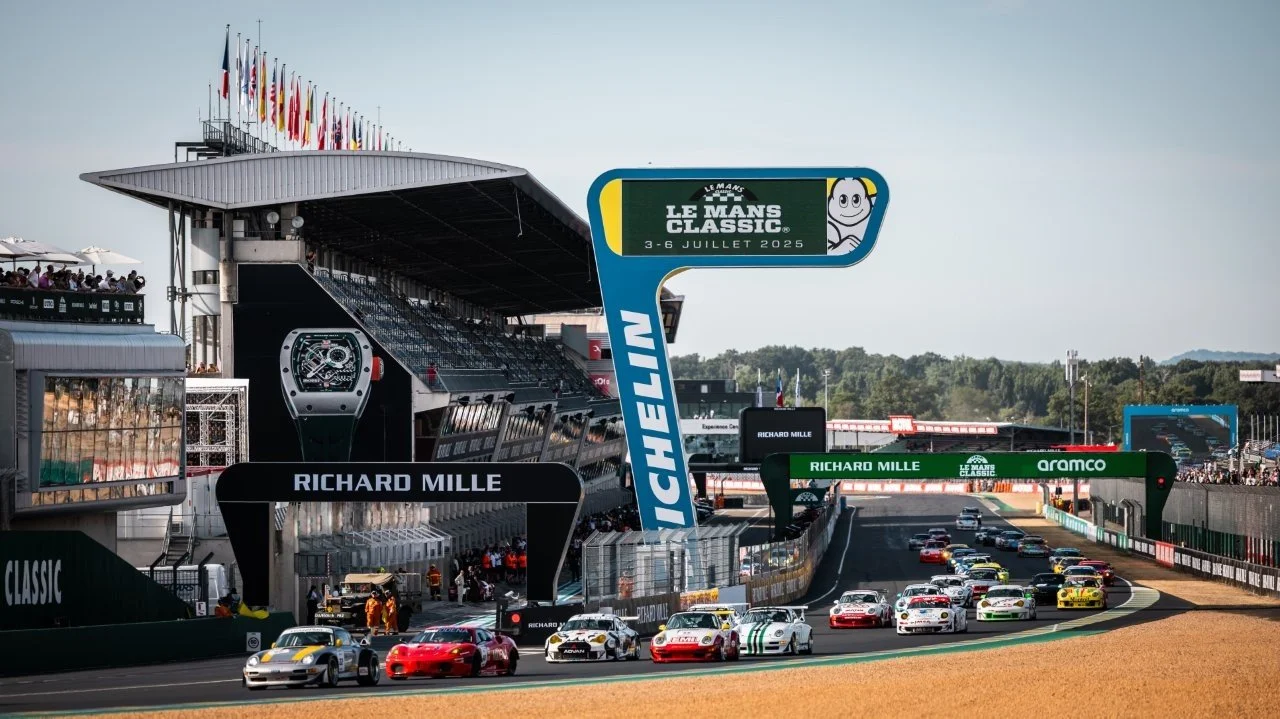
LE MANS CLASSIC 2025
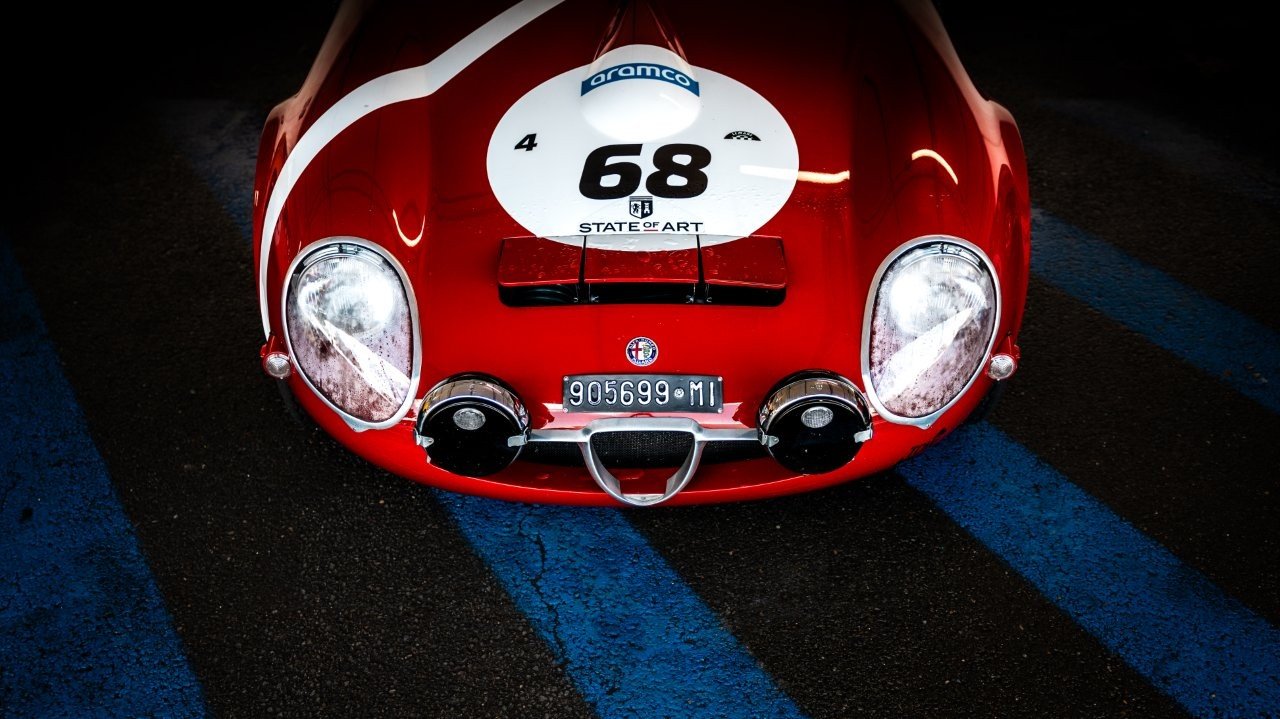
It’s the 1st of July in Andalusia, 08:00 AM and the thermometer is already reading 28ºC. I'm about to start the longest road trip of this year : Málaga - Le Mans. A 1700km drive to reach the biggest classic racing event in Europe, with over 200.000 spectators expected and over 600 cars competing - LE MANS CLASSIC!
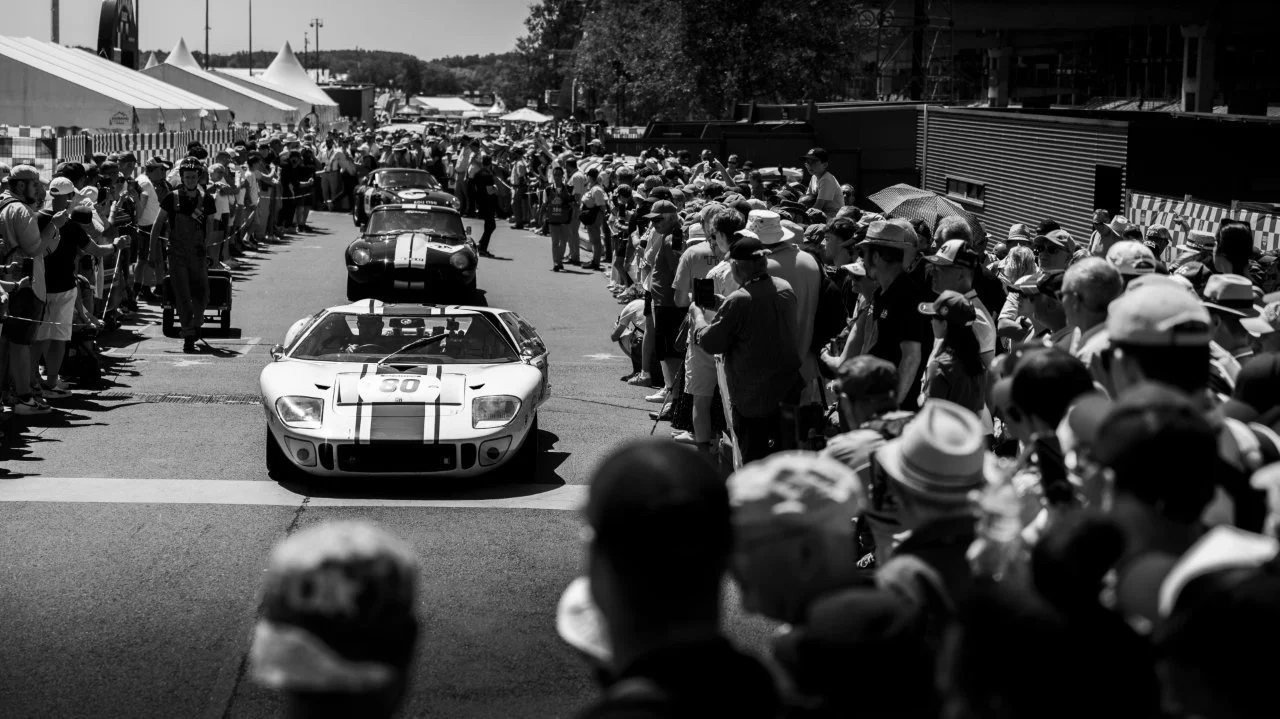
I have to admit, I didn't grow up watching endurance races on TV, nor did I spend hours playing Gran Turismo. So I can’t truly say the Le Mans circuit has held a special place in my heart. Until now. When you spend time talking to the passionate people who grew up next to the circuit or others who are present at every edition of the 24 Hours of Le Mans, you get to feel how special the place is. This is one of those events that you have to do at least once in your life if you call yourself a petrolhead - with over 100 years of motoring history and a format of 3 days of racing including 24 hours from Saturday to Sunday, the experience is unique.
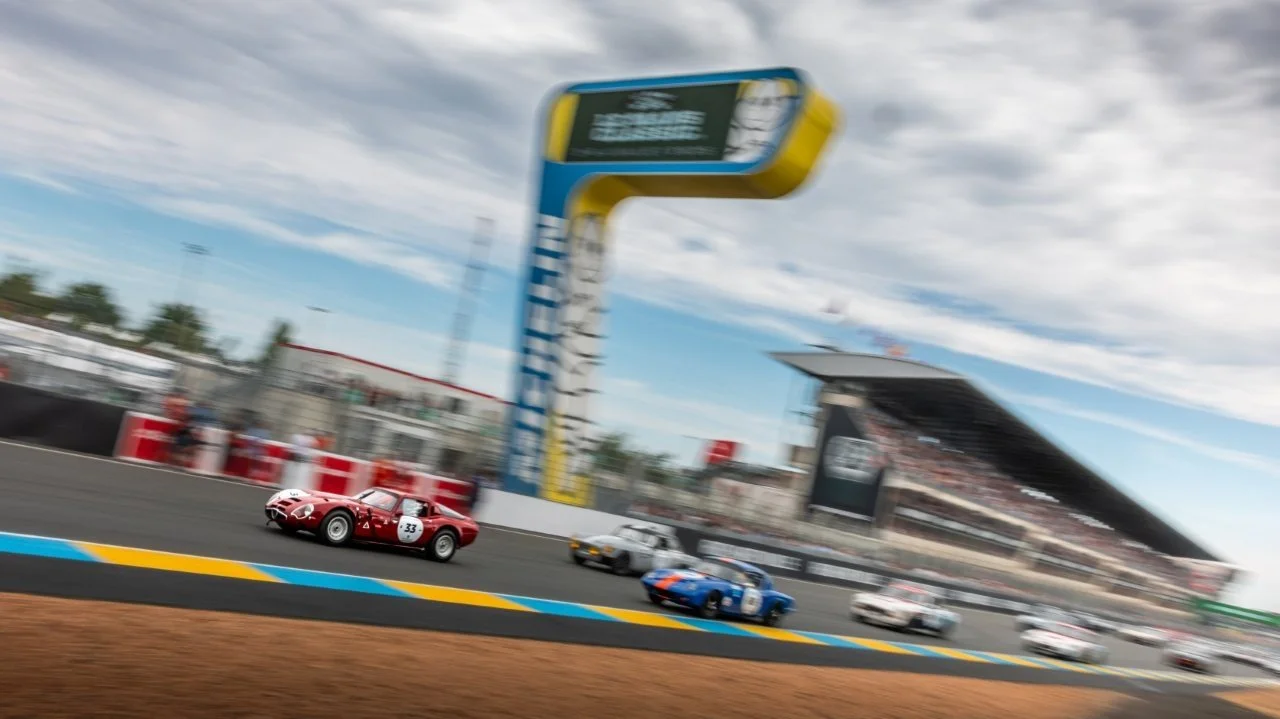
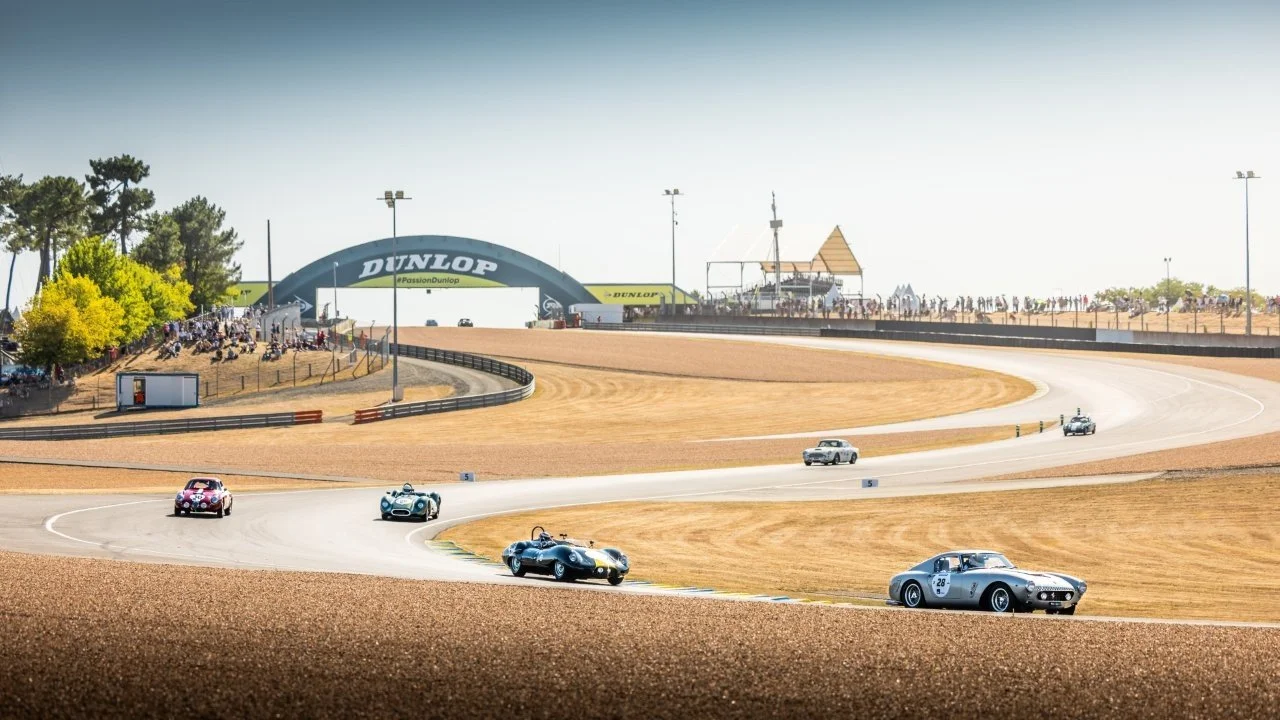
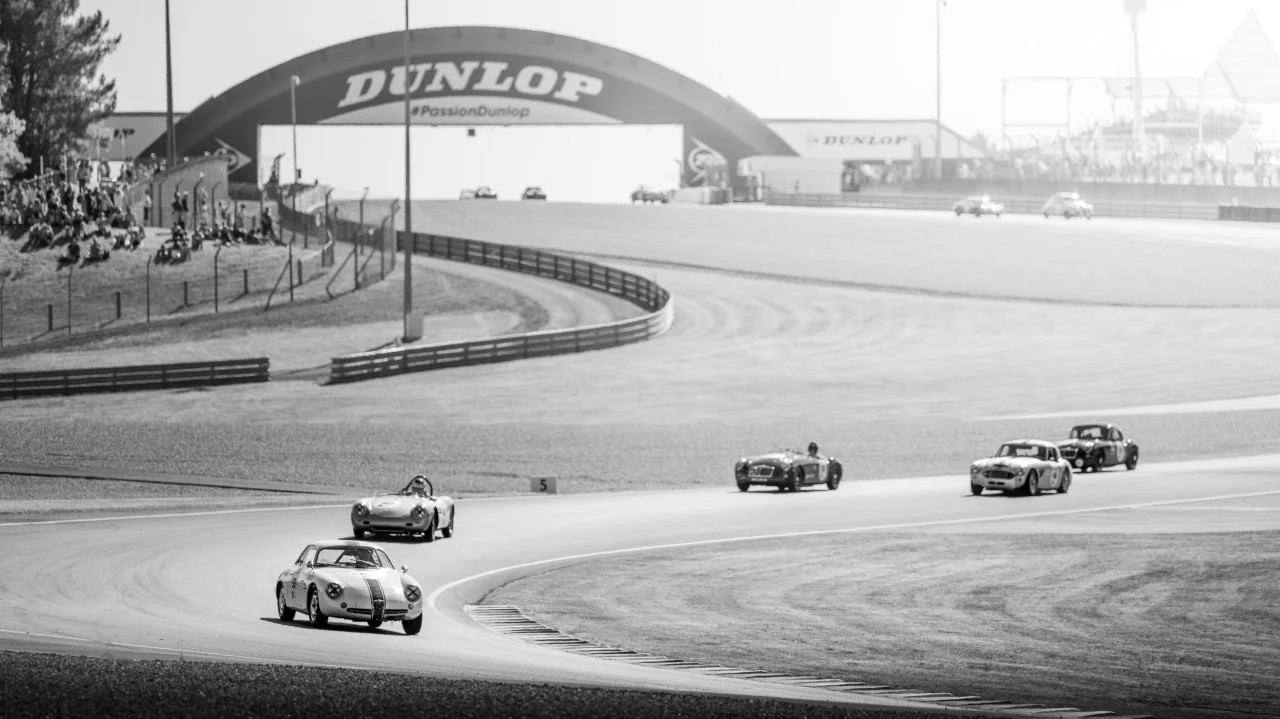
The 2025 edition Le Mans Classic (organised every two years) features 6 grids and 3 support races:
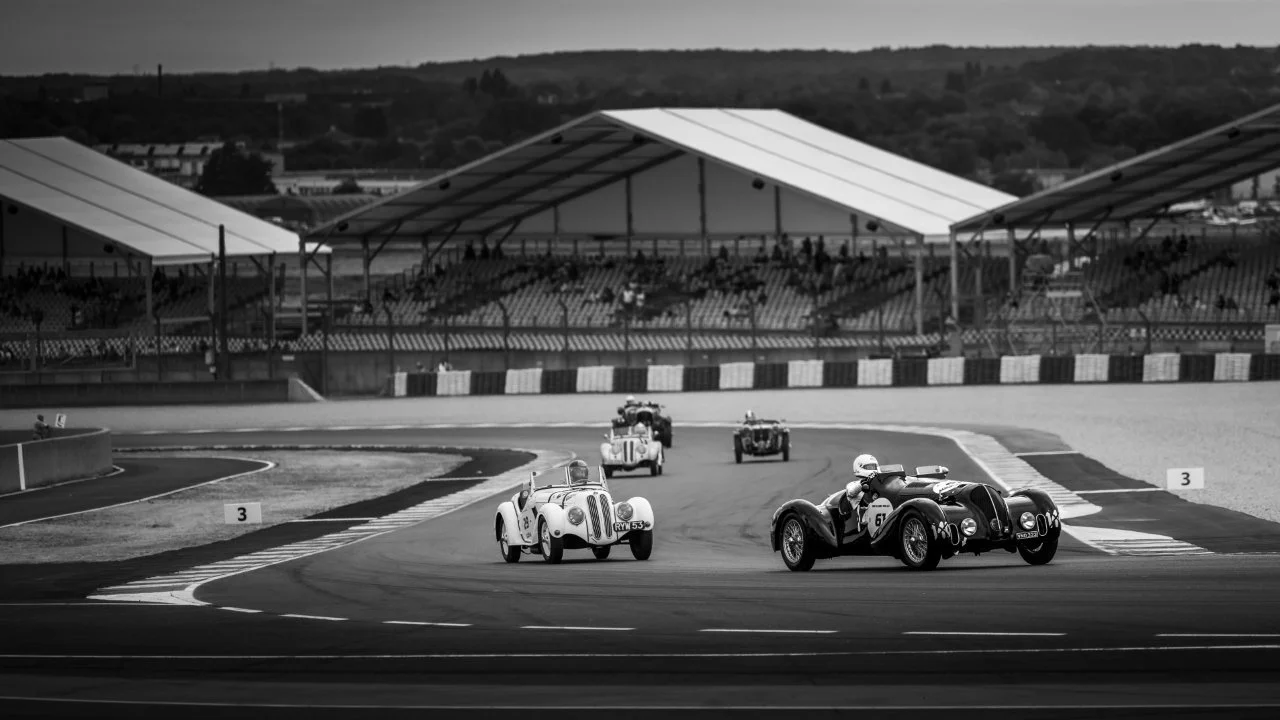
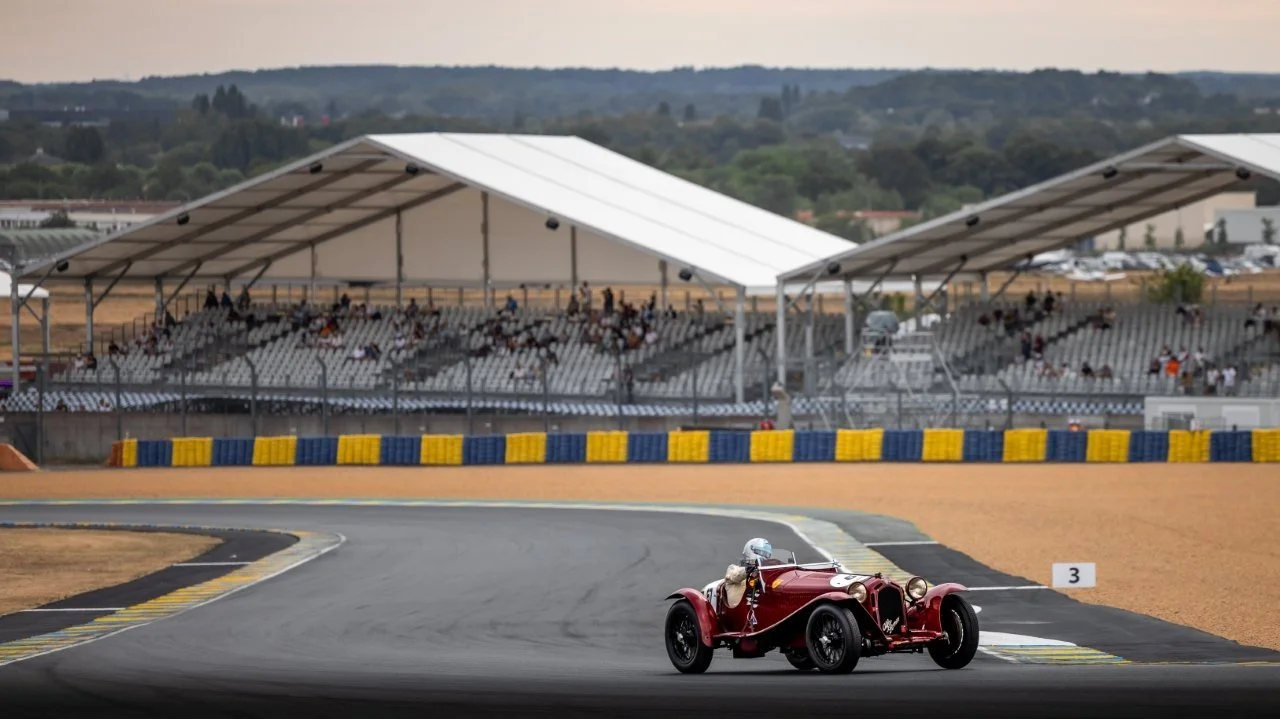
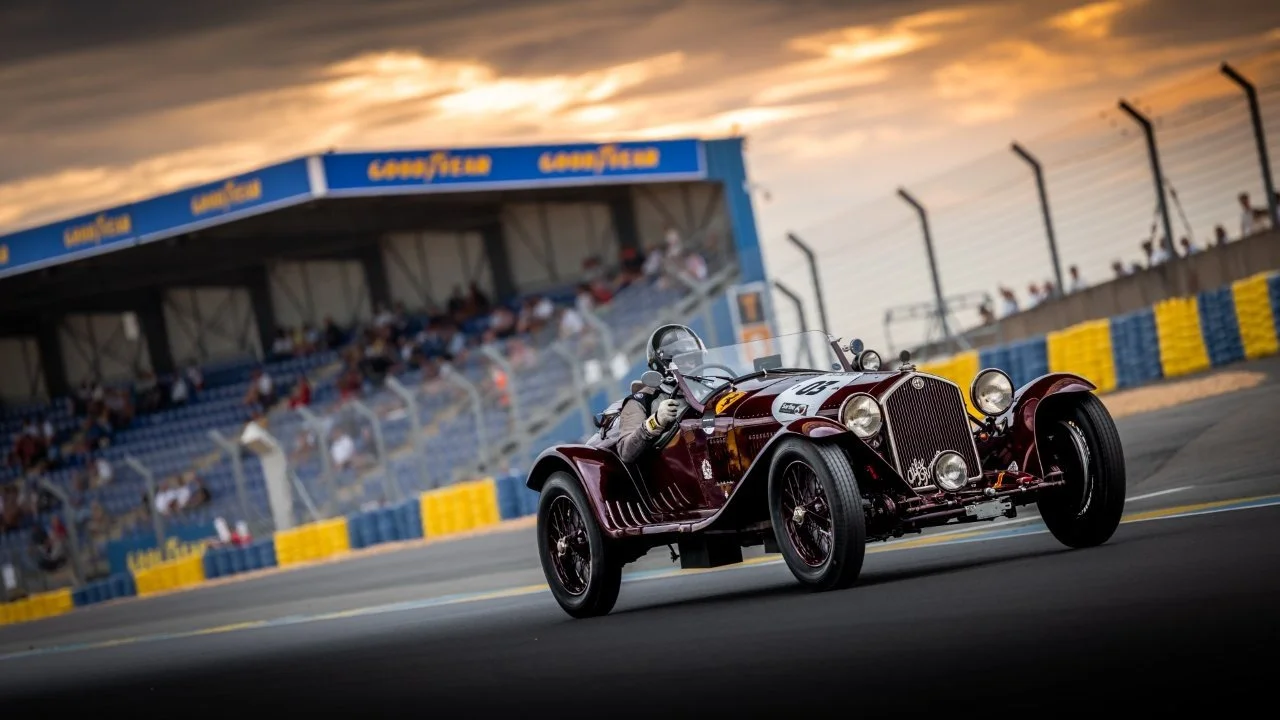
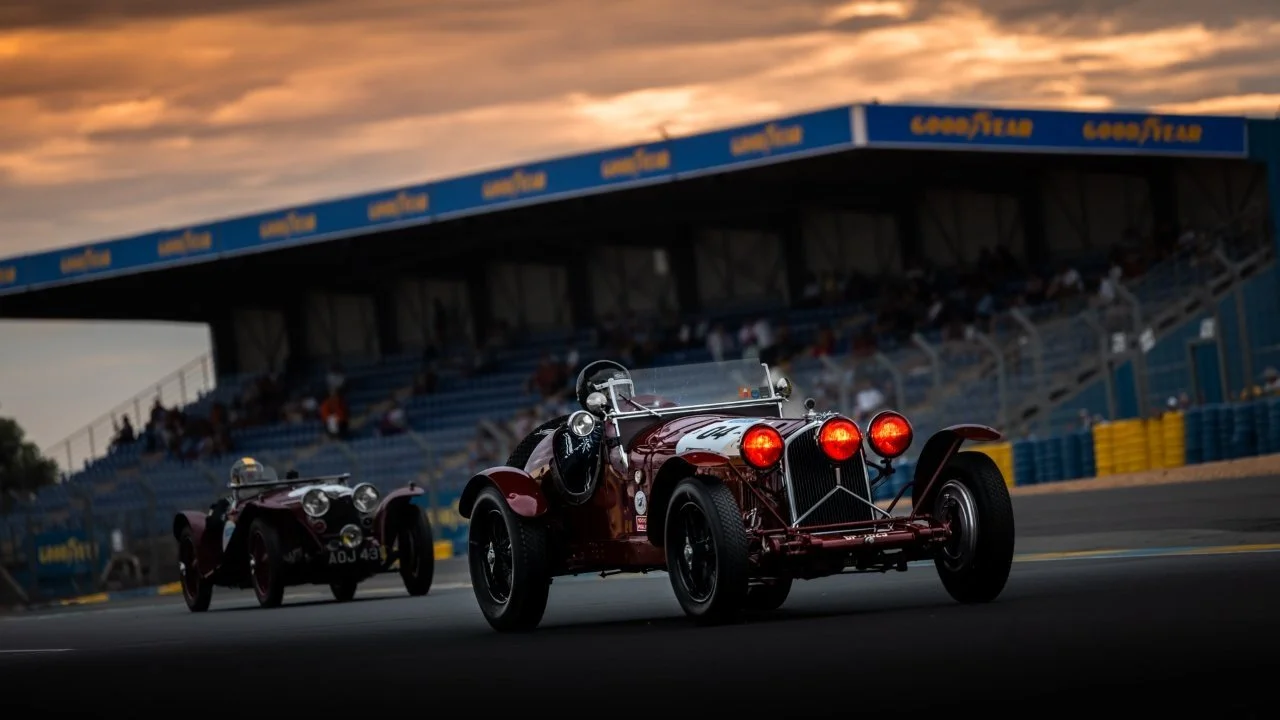
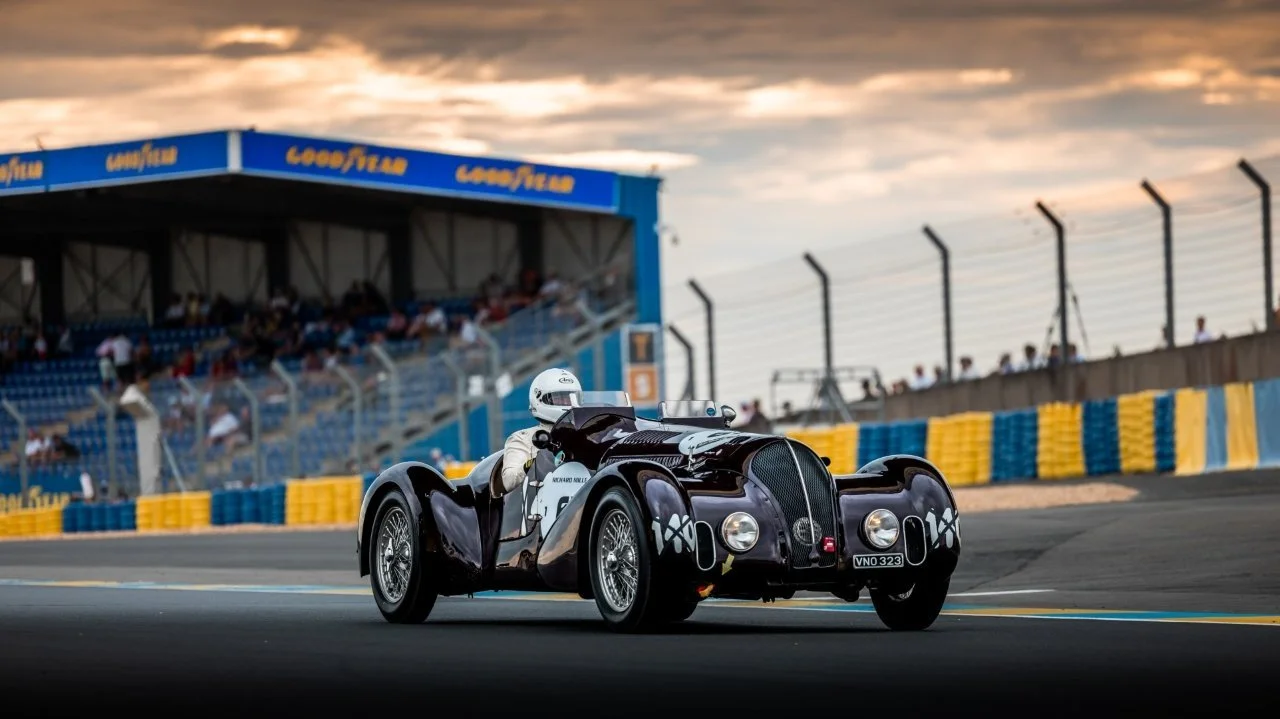
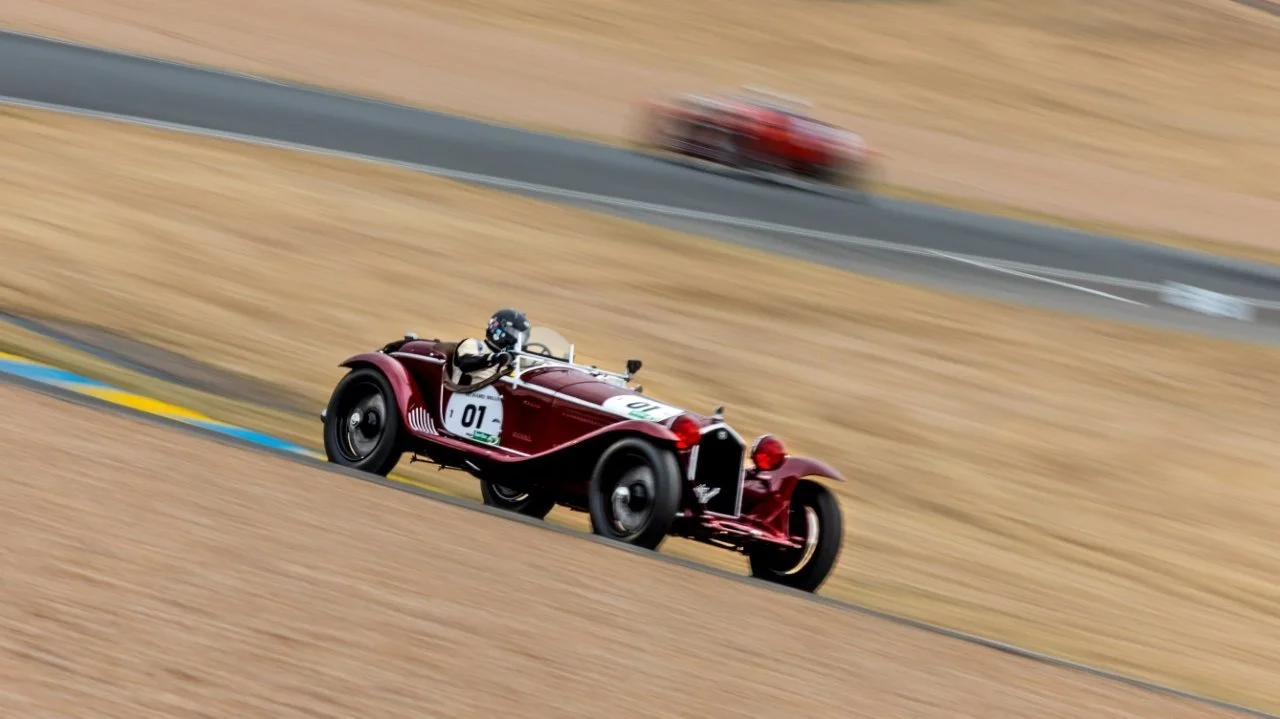
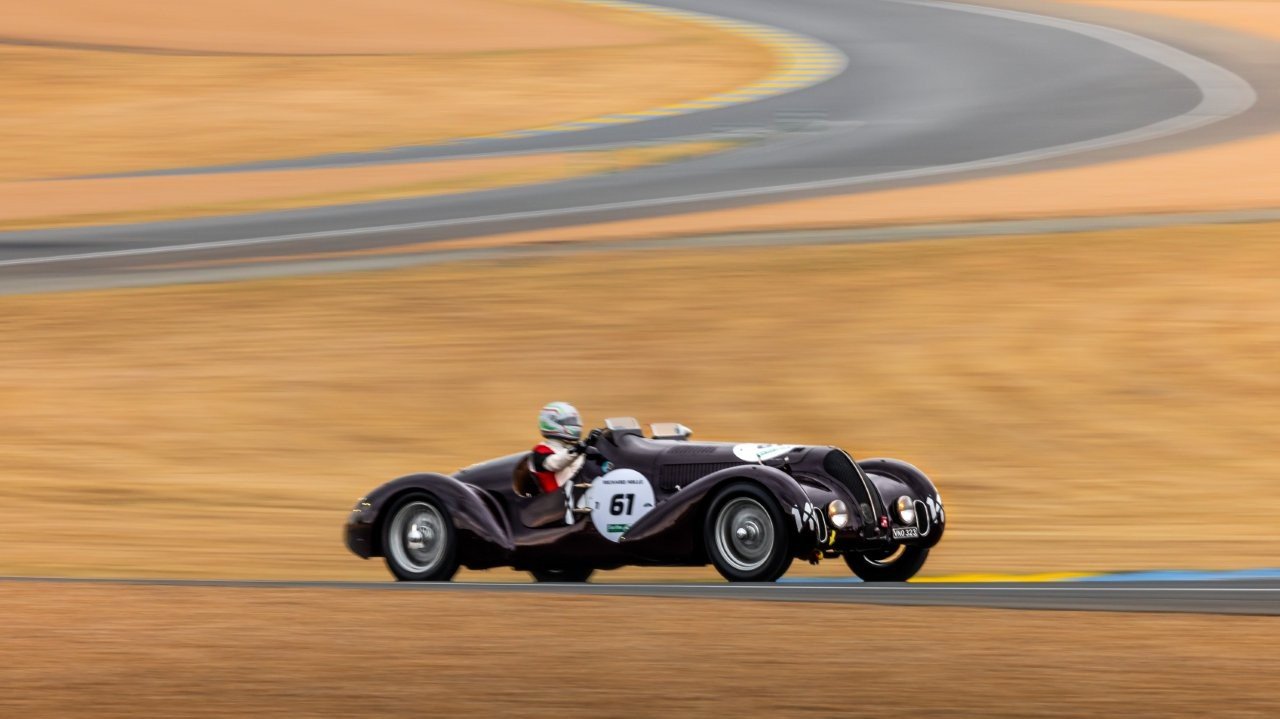
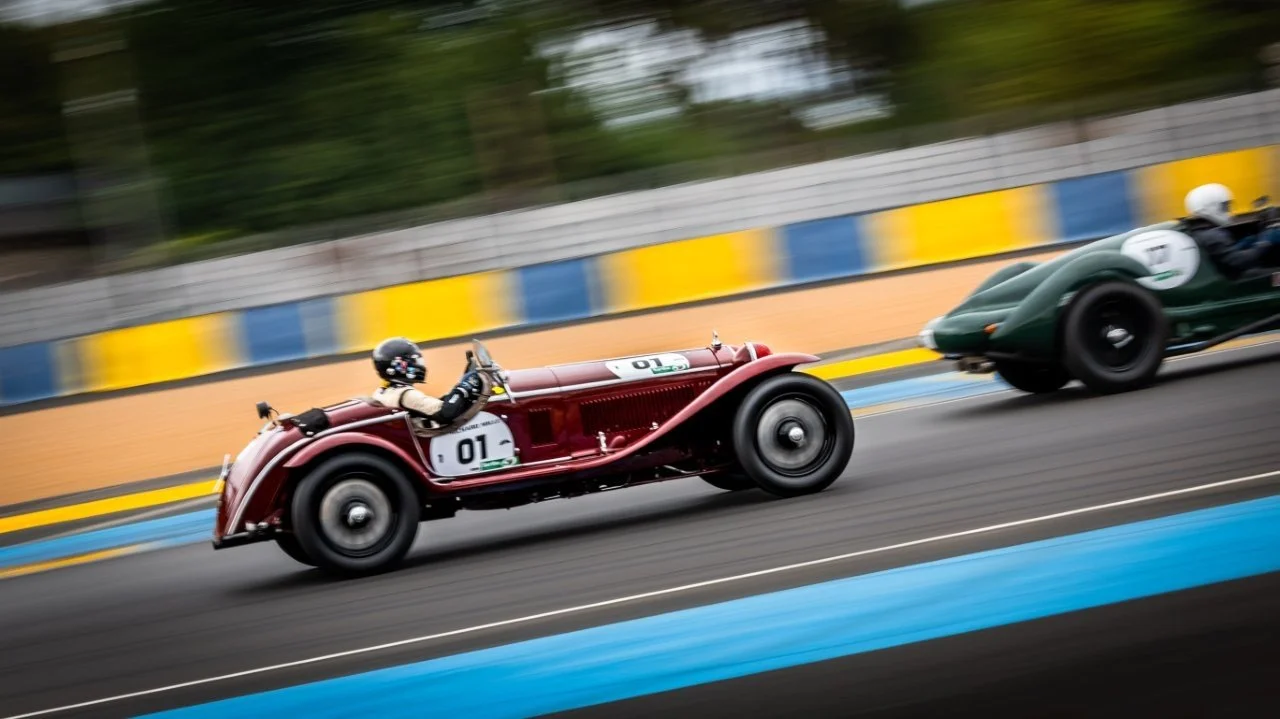
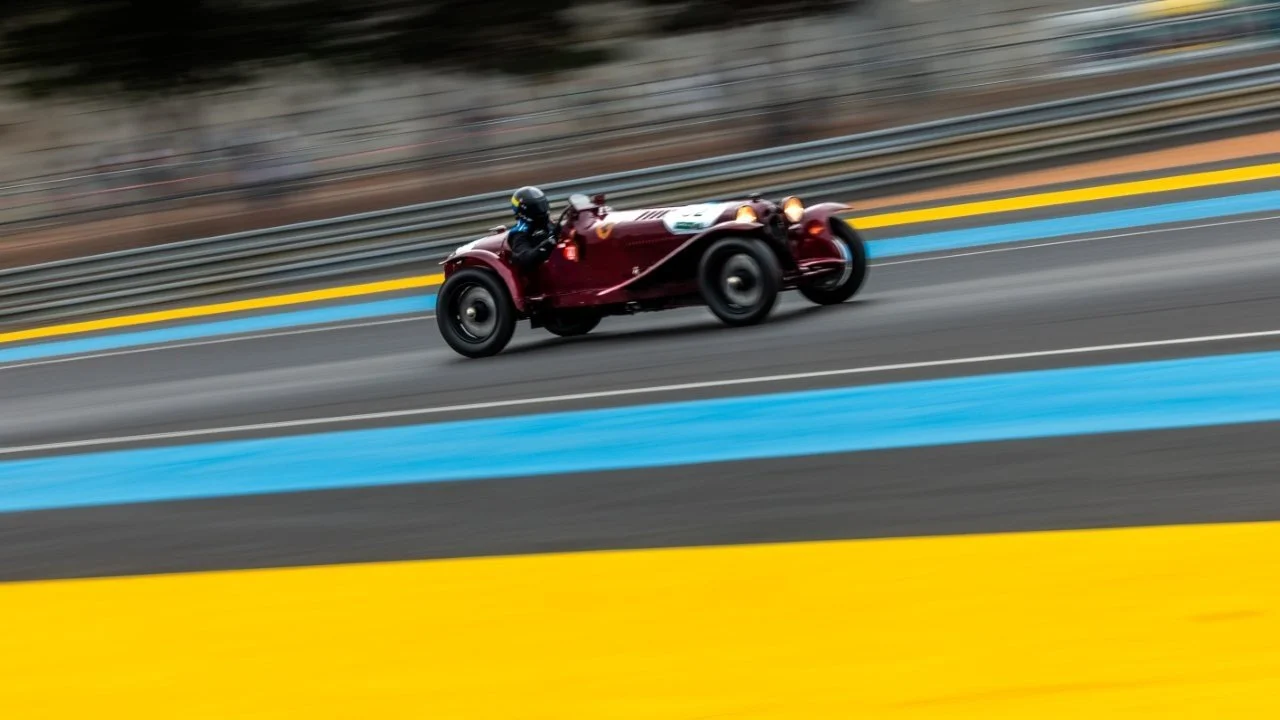
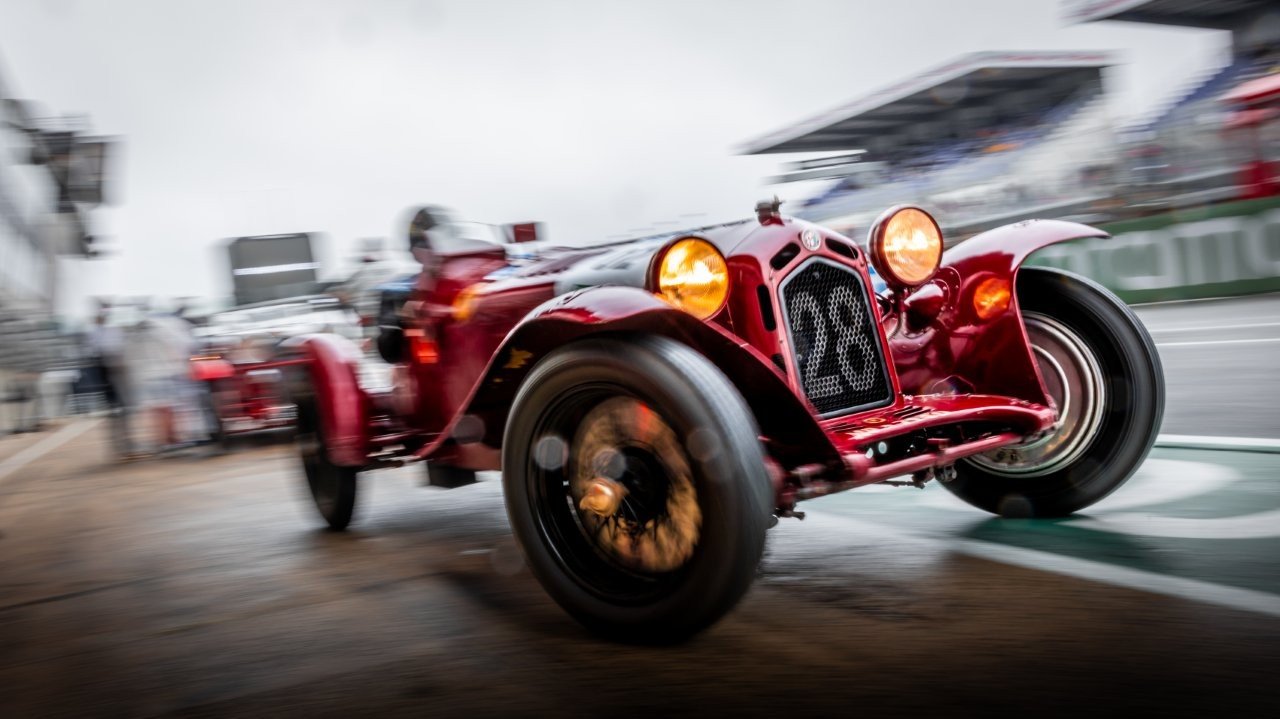
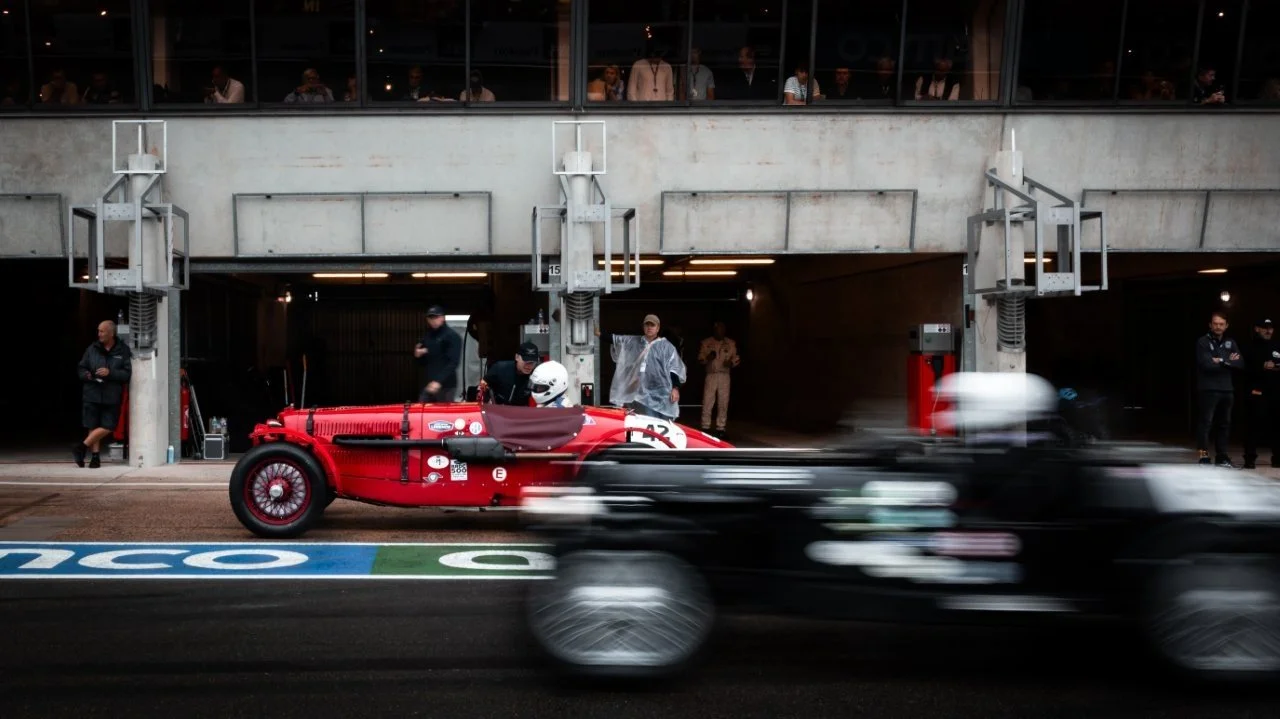
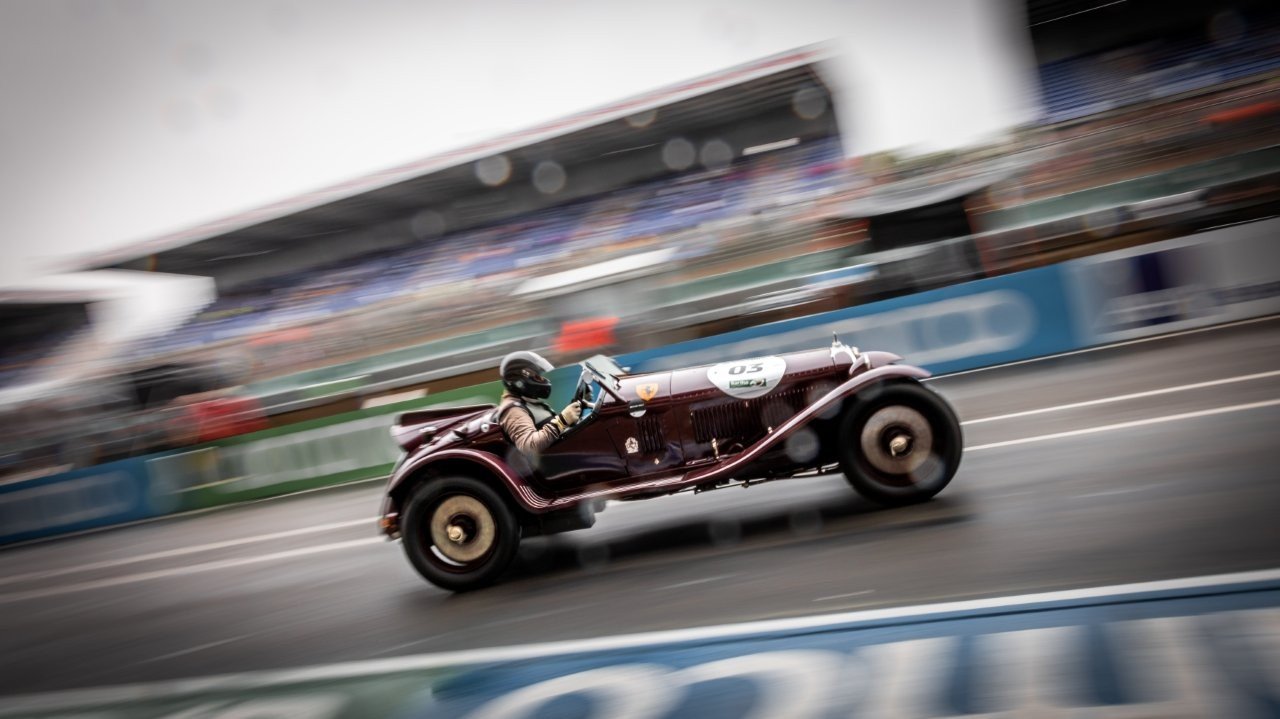
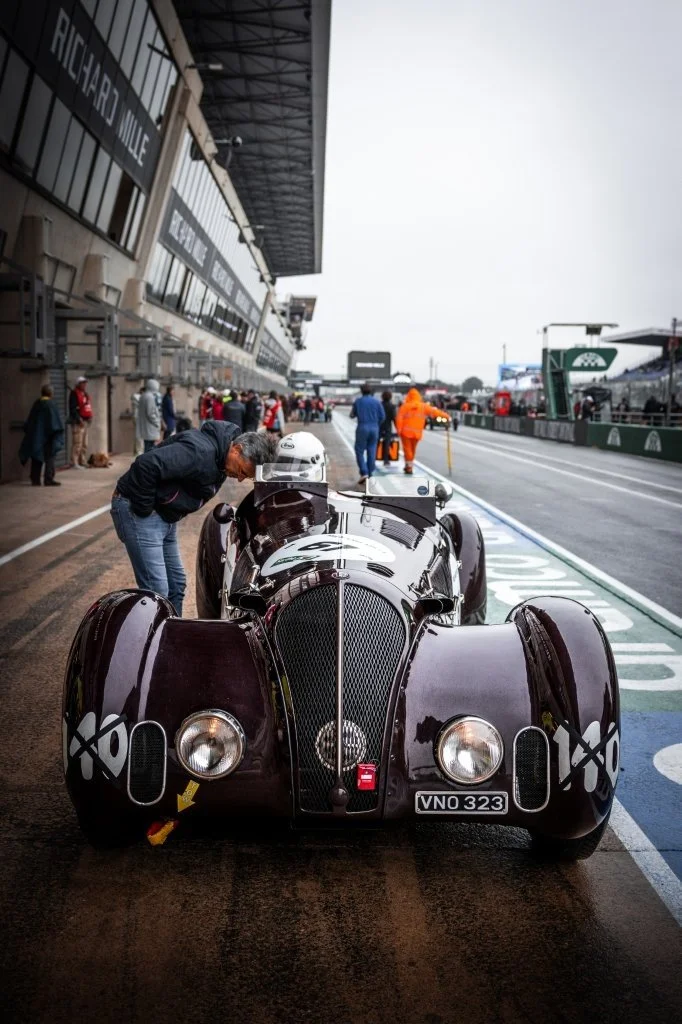
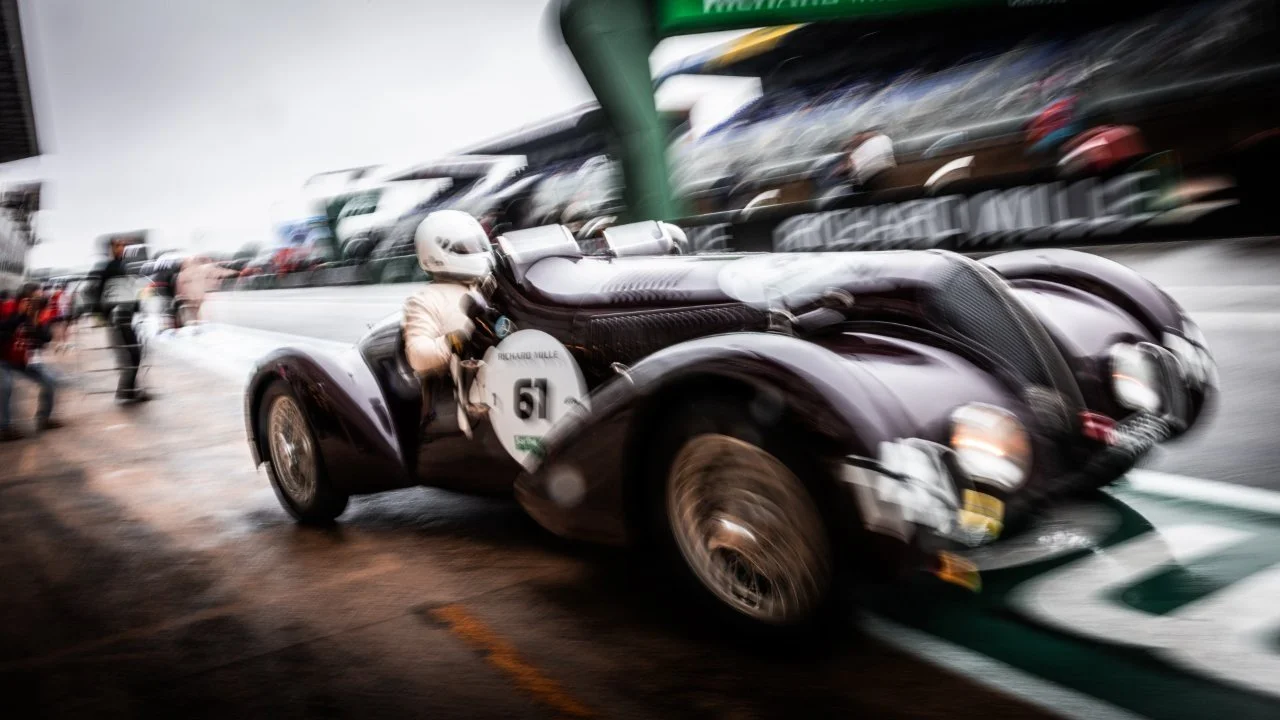
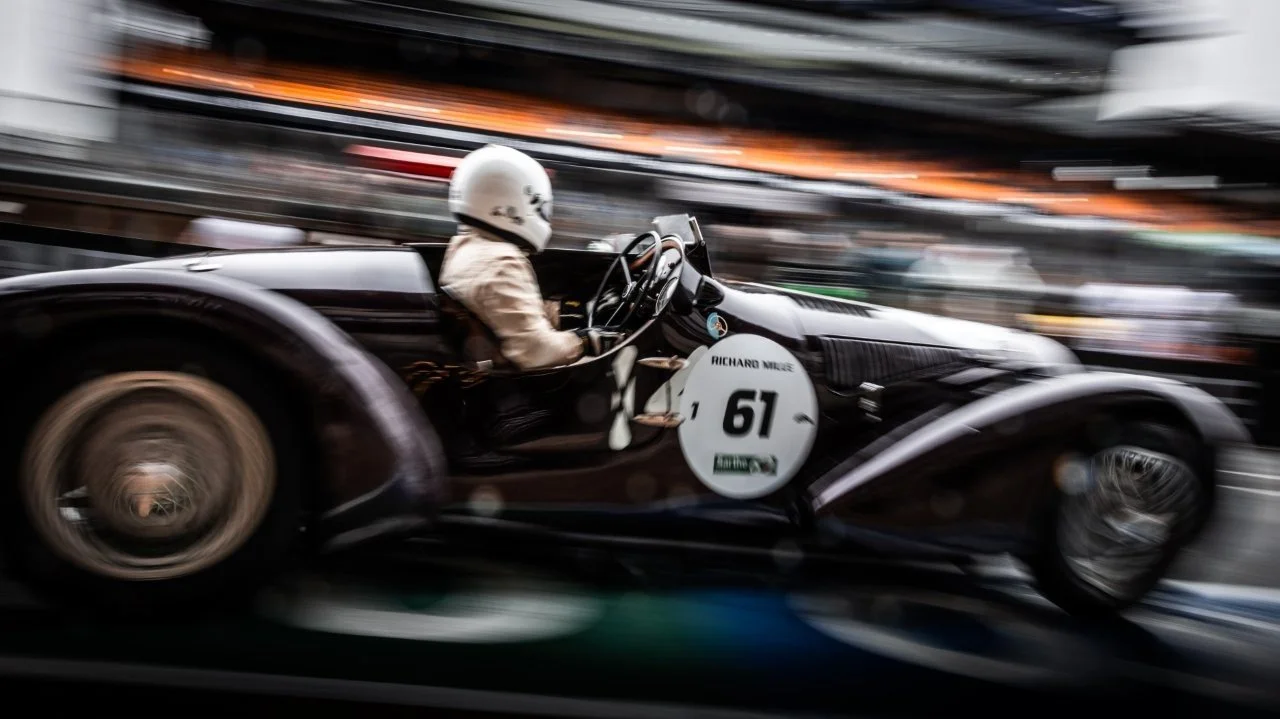
Grid 1 (1923-1939) with the participation of the Alfa Romeo 8C 2300 LM (1932). A true icon of the between-wars period, this car was developed specifically for the Le Mans 24 Hours. Equipped with a in-line 8-cylinder engine producing 155 bhp, it reached speeds of almost 200 km. In 1932, it won with Sommer and Chinetti, marking Alfa Romeo's second consecutive victory on the Sarthe circuit. Between 1931 and 1934, the 8C 2300 won thevent four times.
Grid 2 (1949 - 1956) this year exhibited 3 Ferrari Monza cars, including a 121 LM Scaglietti spyder with a stunning one-off Scaglietti alloy coachwork.
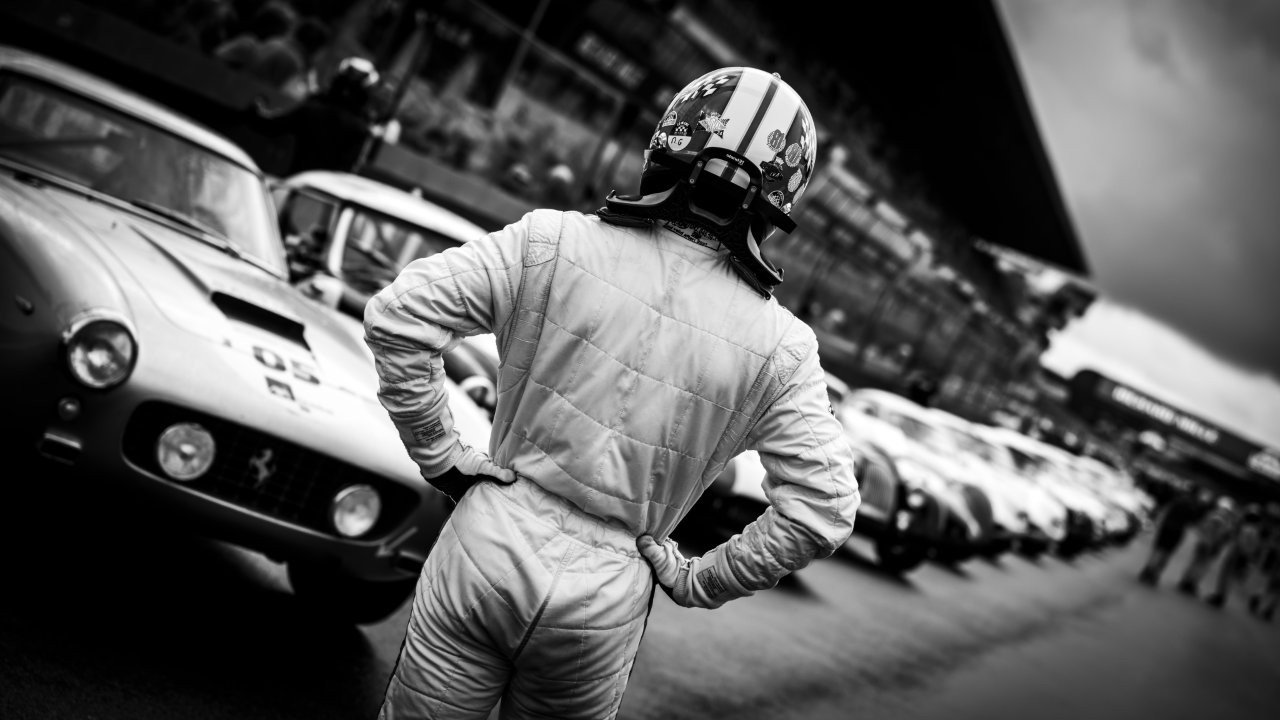
Grid 3 (1957 -1961) featuring the Ferrari 250 GT SWB, a symbol of GT excellence from Maranello, and an icon of motor racing from 1959 onwards. Equipped with a 280 bhp 3.0-litre Colombo V12 engine and bodywork designed by Pininfarina.
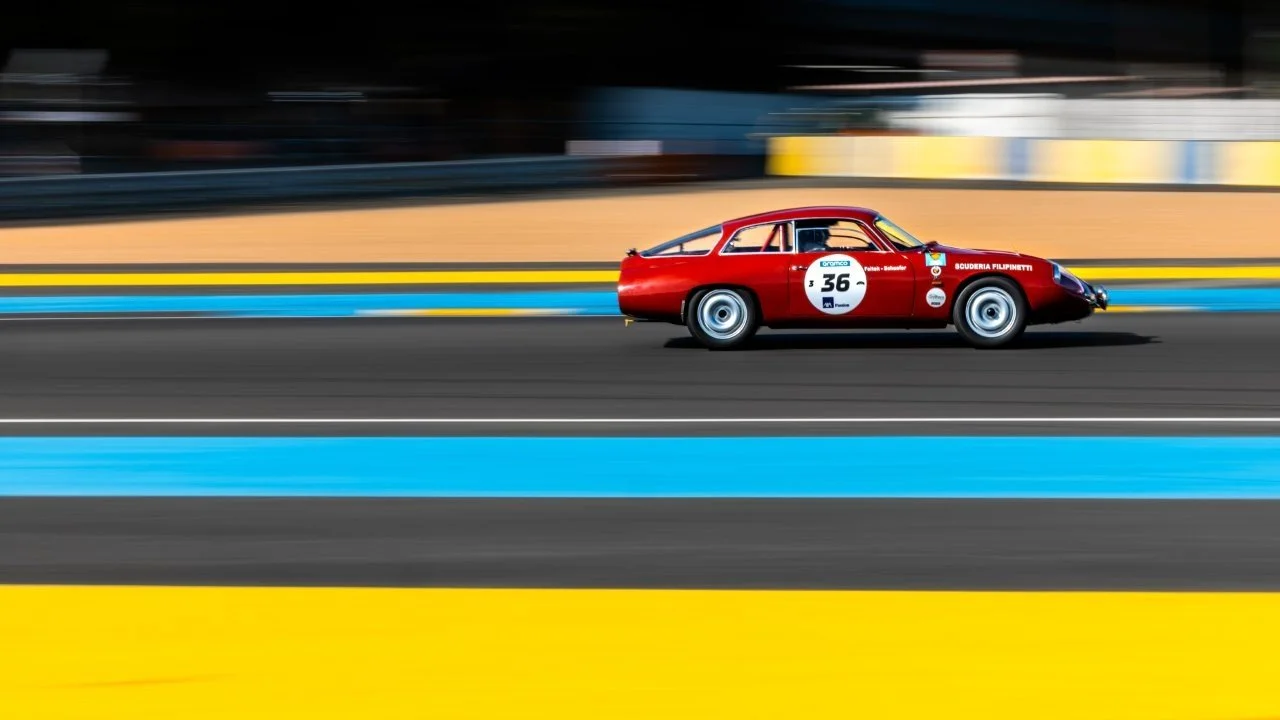
Grid 4 (1962-1965): In 1964, Porsche launched the 904 Carrera GTS, the first production Porsche with a mid-engined rear and closed roof, with a polyester body mounted on an innovative semi-monocoque steel chassis. Only around a hundred examples were produced for FIA homologation in the Grand Touring category. Powered by a 180bhp 2.0-litre flat-4 engine, the 904 weighed just 650kg and reached speeds of almost 260kph. The 904 enjoyed great international success with class wins here at the Le Mans 24 Hours (1964, 1965).
Grid 5(1966 -1971)Lola T70 Mk.3B (1968)A true icon of the private paddock, the Lola T70 Mk.3B embodied the spirit of the 1960s: a lightweight, powerful and accessible prototype. Designed for endurance racing, it was powered by a 5.0-litre Chevrolet V8 producing between 450 and 500 bhp in a polyester body weighing just 840 kg. The result: a top speed of 320 km/h and formidable agility. With its tubular chassis, the T70 shone as much for its robustness as for its performance.
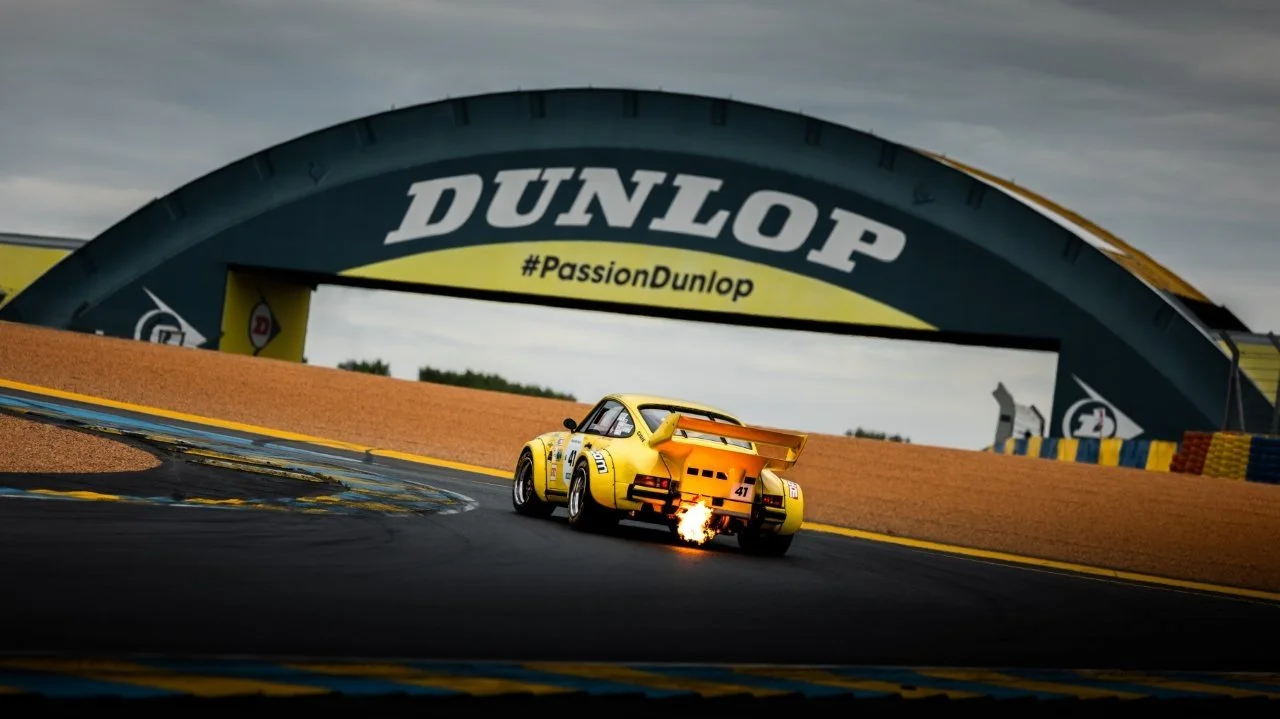
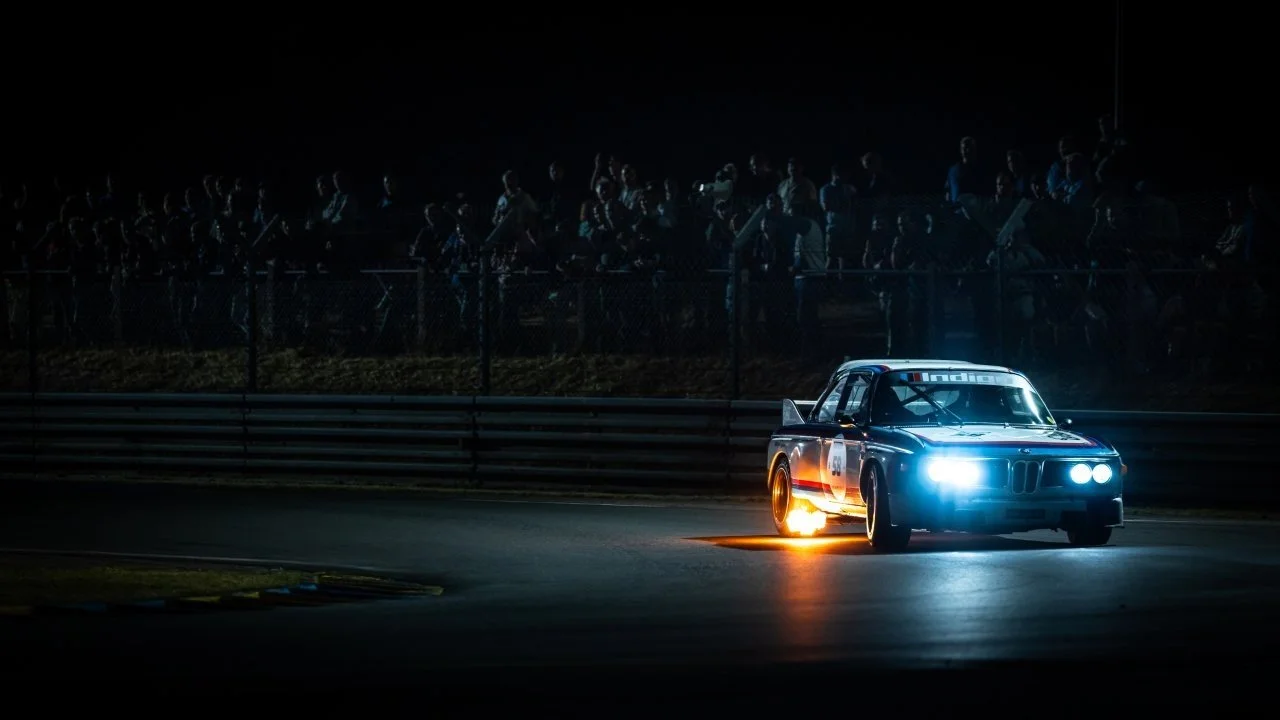
Grid 6 (1972-1981) was dominated by the Porsche 935, BMW M1 and 3.0 CSL. Born in 1972, the CSL reached its peak in 1976 with the “Batmobile” version, equipped with aggressive aerodynamic appendages to maximise grip. Powered by a 330bhp 3.0L M30 6-cylinder engine, it reached a top speed of 260kph.
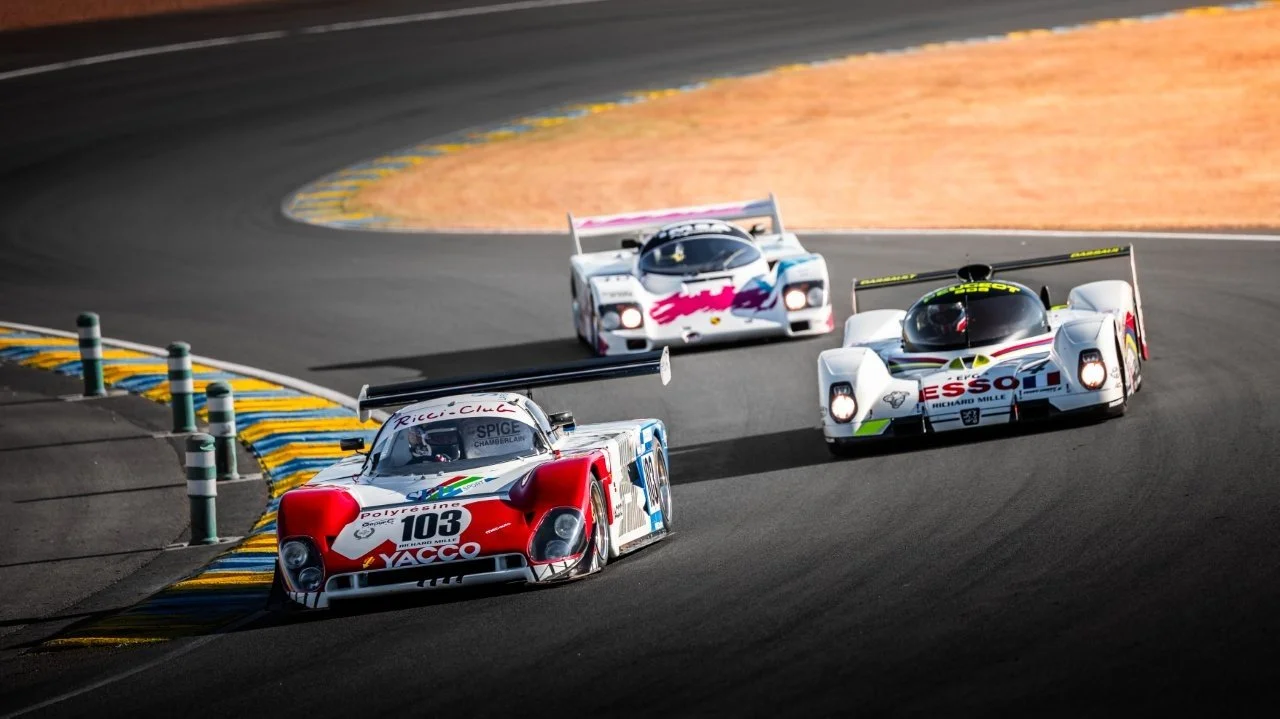
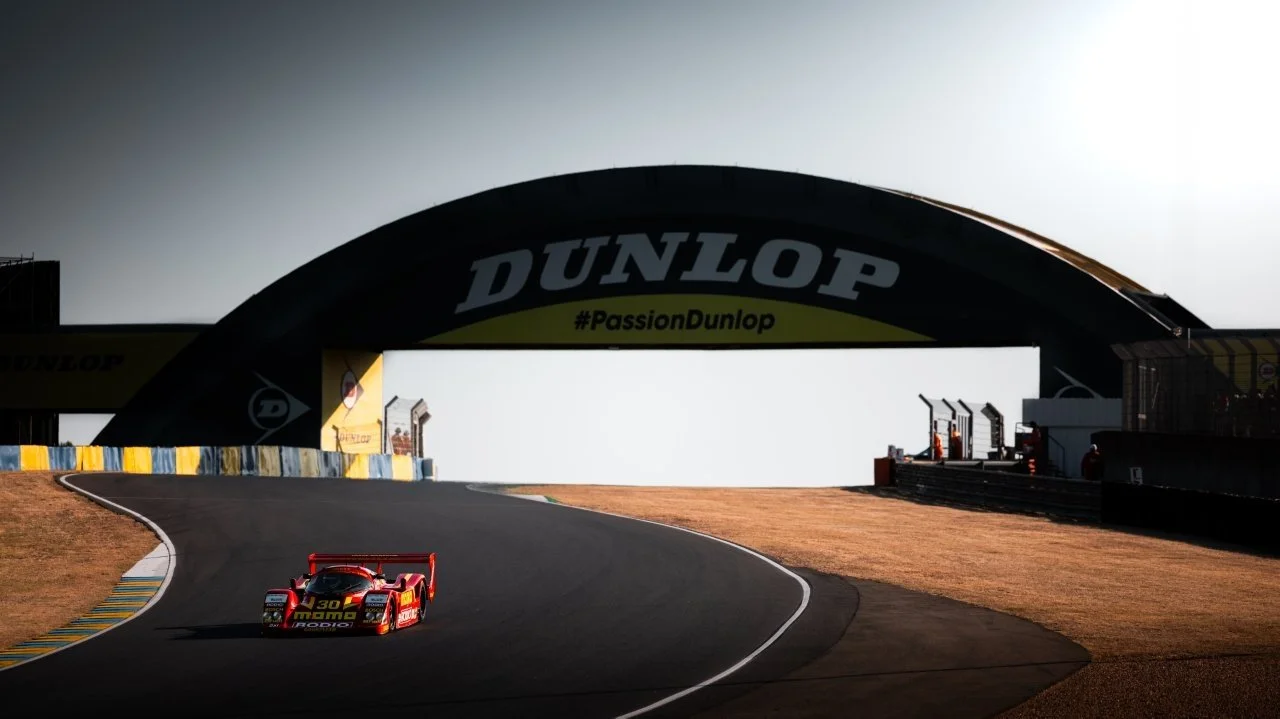
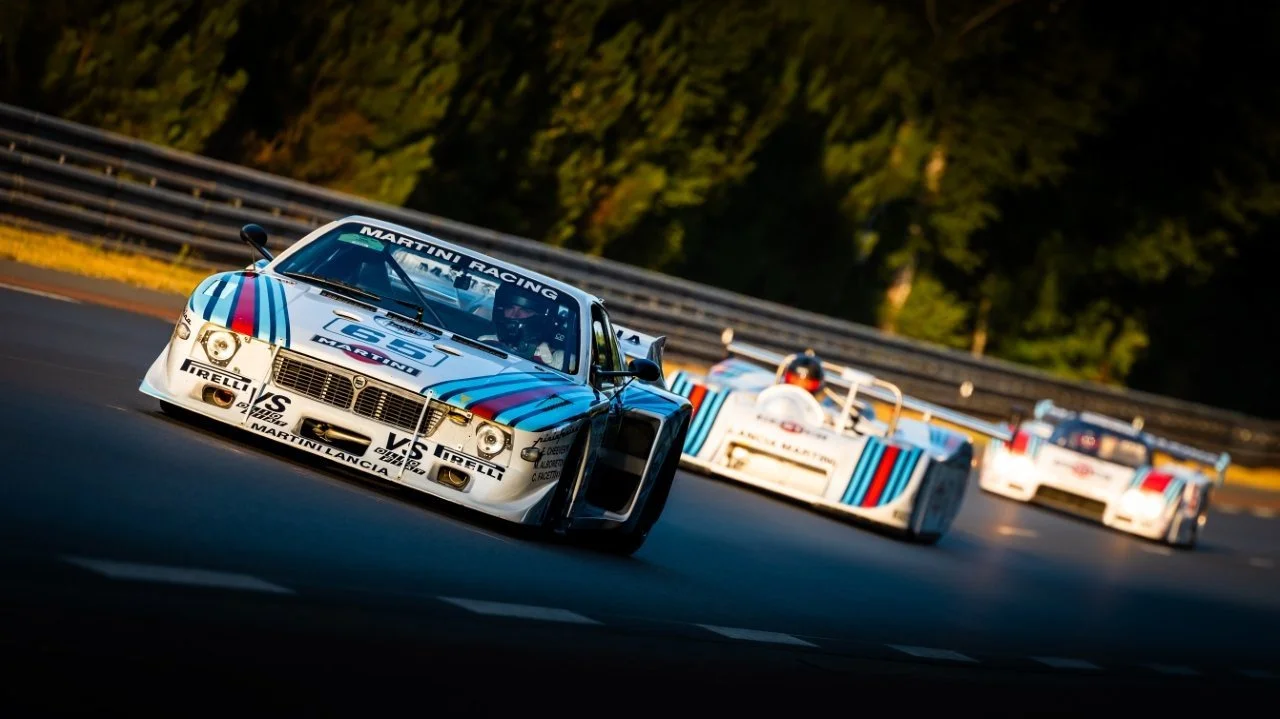
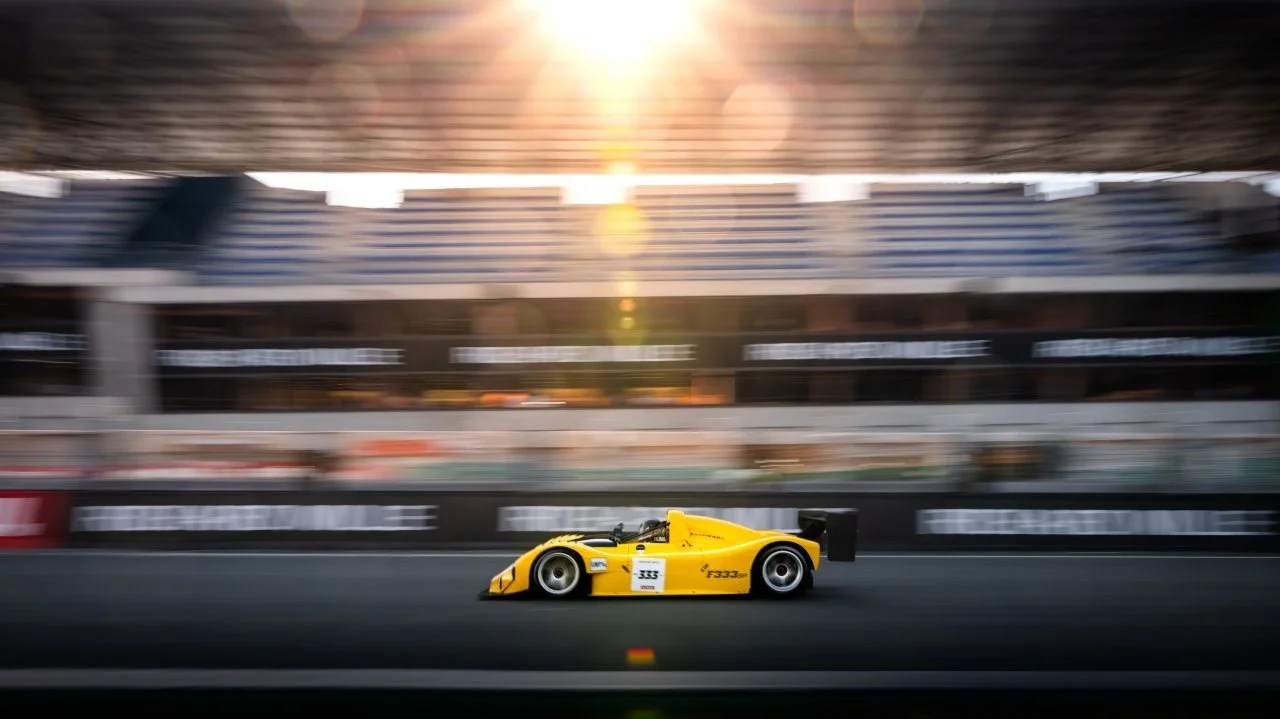
GROUP C RACING Prototypes from 1982 to 1993 The Group C era, which ran from 1982 to 1993, is considered by many to be the true Golden Age of Endurance racing. These rules gave birth to some of the most innovative and high-performance cars ever conceived, shaped by the most brilliant minds in motorsport. The main playground for the Group Cs was of course the Circuit de la Sarthe, where these prototypes wrote some of the finest pages of the Le Mans 24 Hours and the World Endurance Championship. Initially dominated by the Porsche 956s, despite the resistance of the Lancia LC2s, the competition gradually intensified with the arrival of Jaguar, Mercedes, Toyota, Nissan and Mazda. The Group Cs were also the only cars capable of approaching the 400km/h mark on the Hunaudières straight, a feat made impossible after the introduction of the two chicanes in 1990.
ENDURANCE RACING LEGENDS - 90's and 2000's prototypes. In Endurance Racing Legends (ERL) we find the most modern cars of Le Mans Classic: the GT1 and LMP1. This new era follows on from the Group Cs, bringing the GT category back into play. The Audi R8 LMPs begin their rich history at Le Mans, followed by the Bentley Speed 8s. Le Mans Classic is thus set to relive one of the most spectacular eras of endurance racing, when GTs and prototypes shaped the legend of the Sarthe circuit.
PORSCHE CLASSIC RACE LE MANS Porsche from 1965 to 1981 an exceptional line-up of historic Porsches in a race contested on the great Le Mans circuit, where the German manufacturer holds the record of 19 victories in the 24 Hours. The race features models ranging from the first 911s (1965), whose racing versions were still very close to production models at the time, to the latest 935s (1981), whose most powerful versions were close to, or even exceeded, 800 bhp.
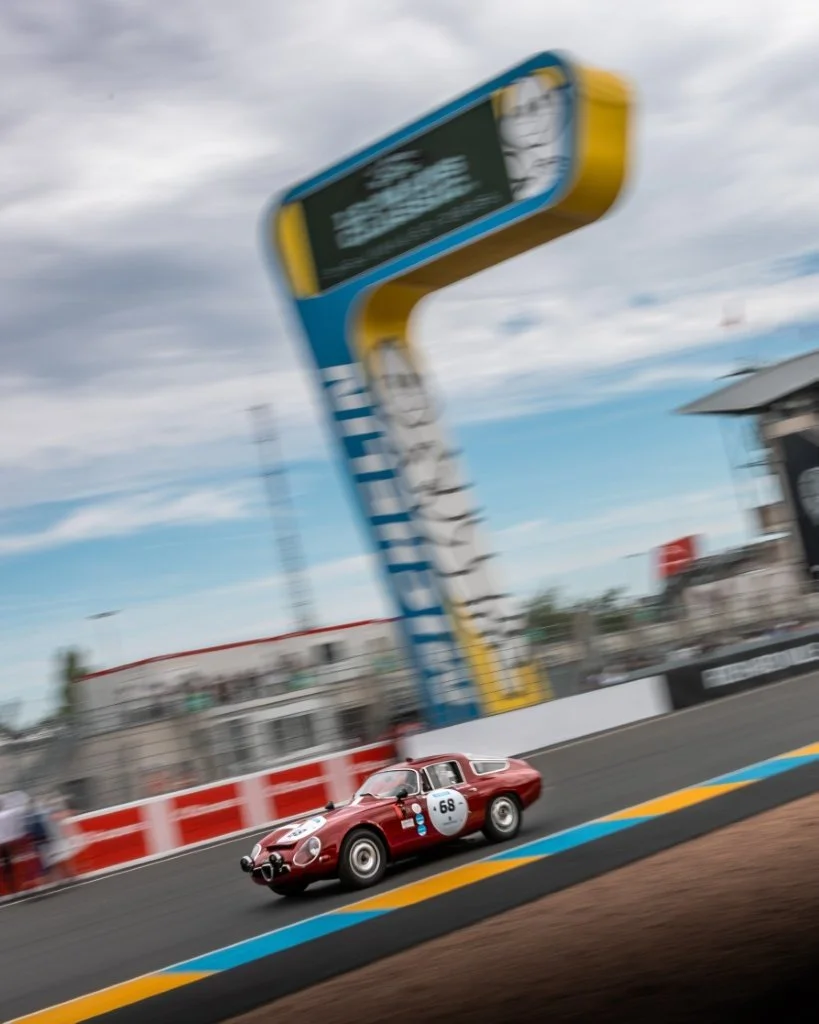
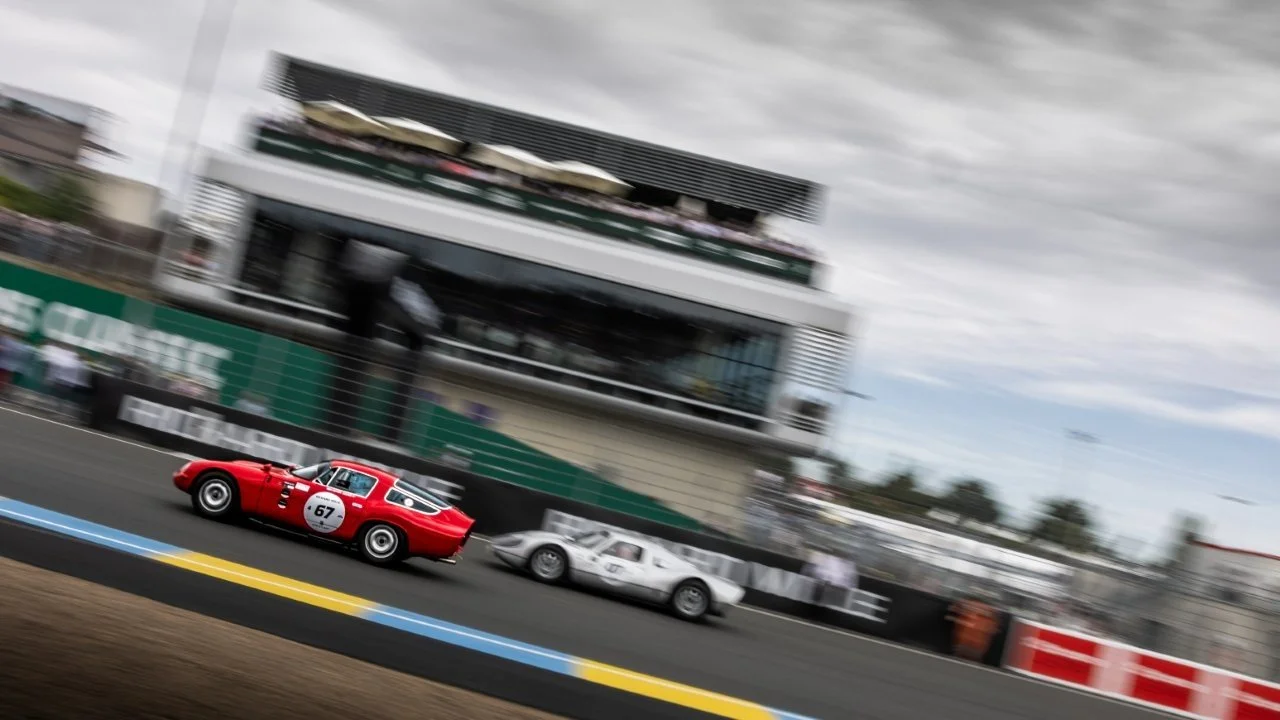
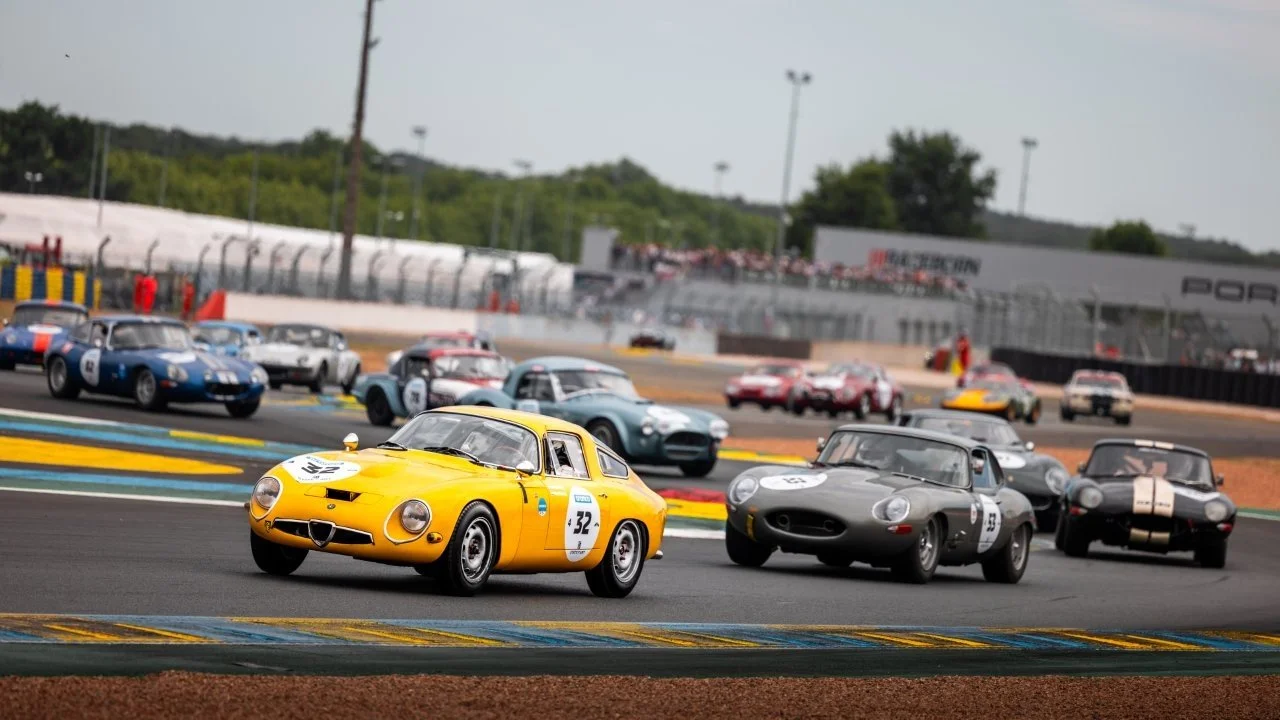
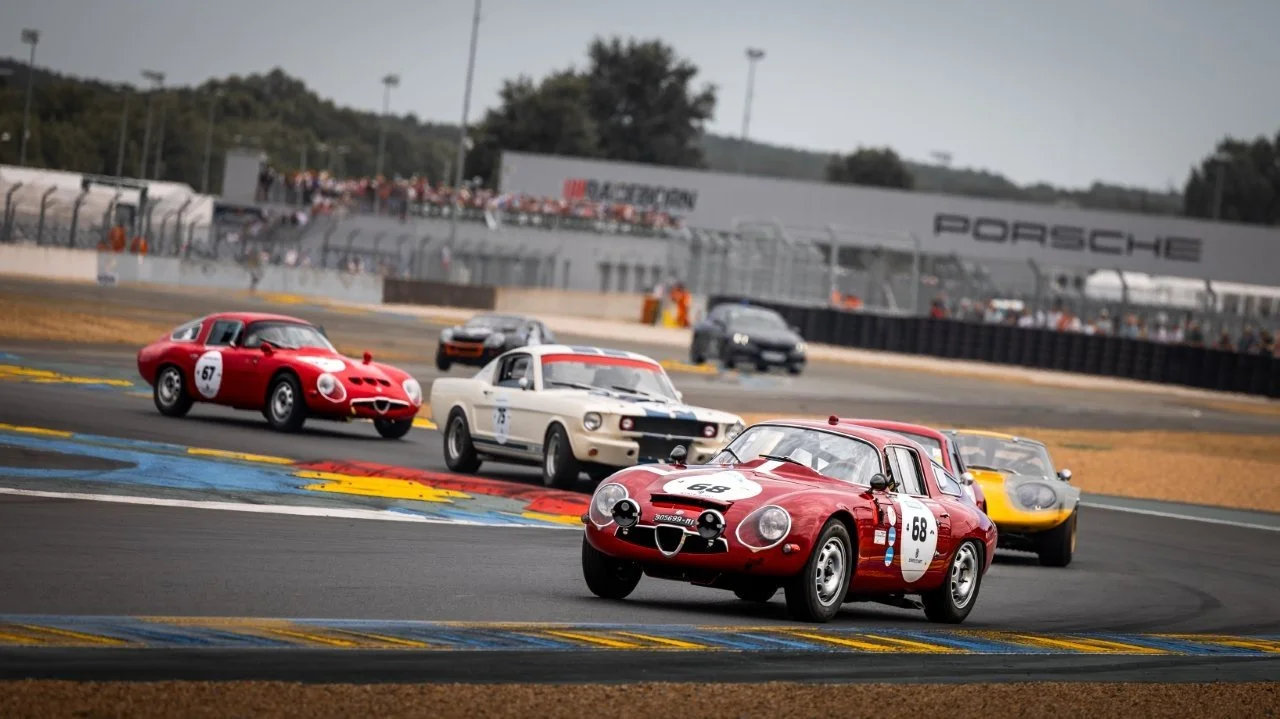
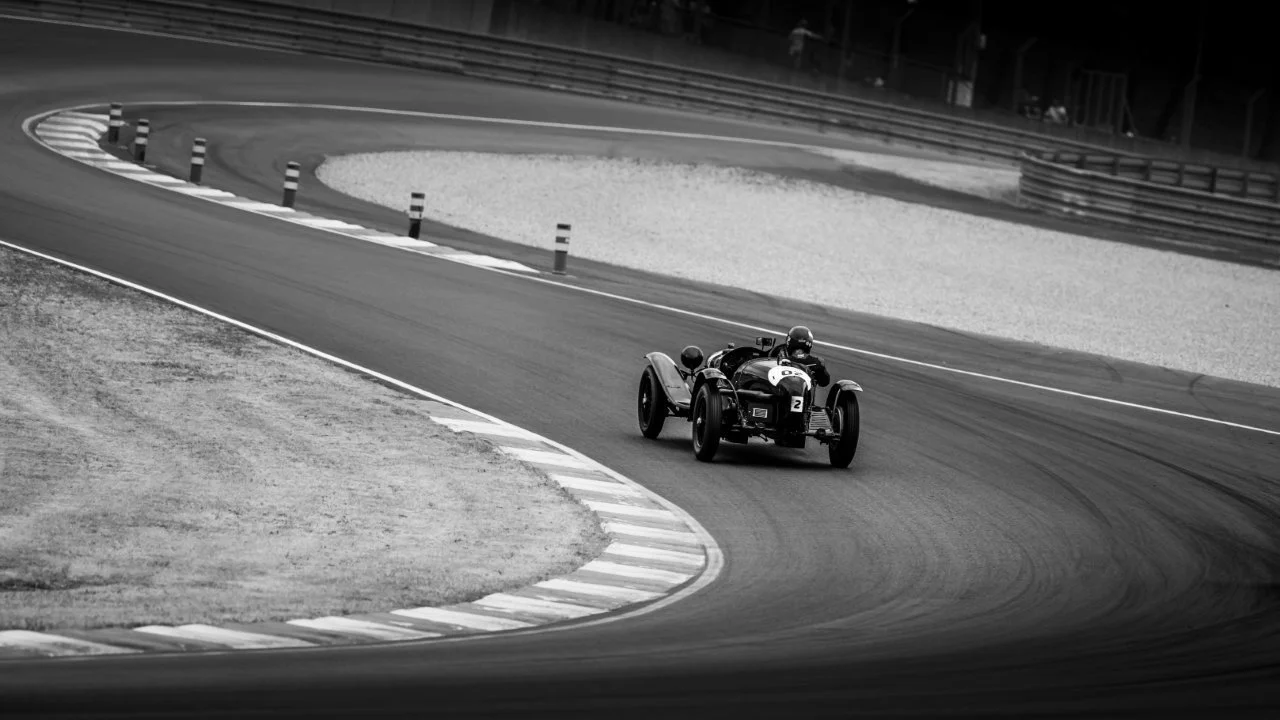
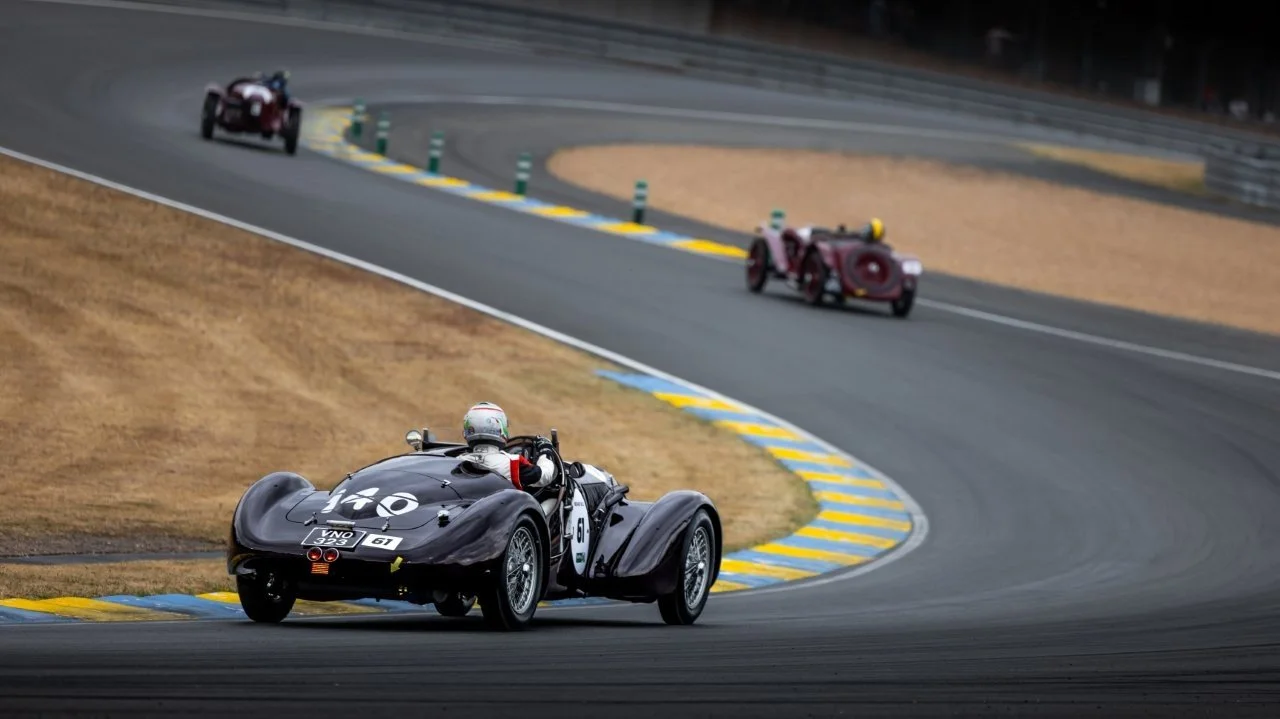
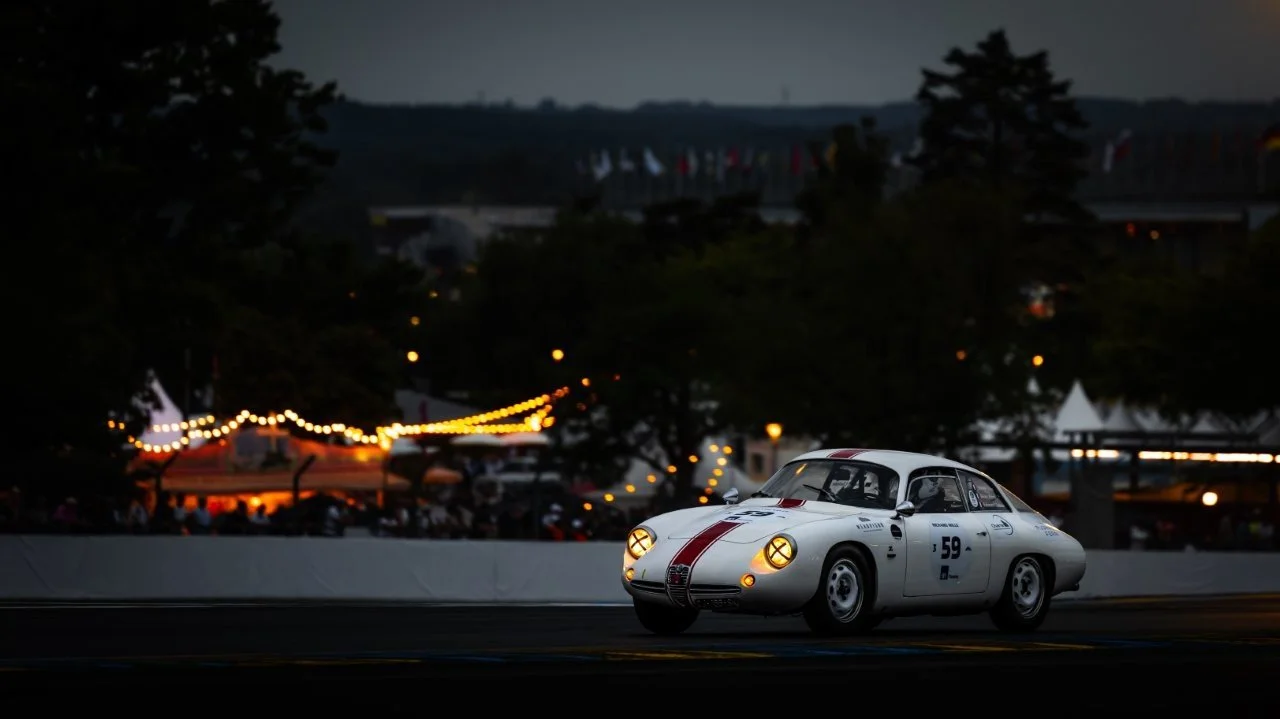
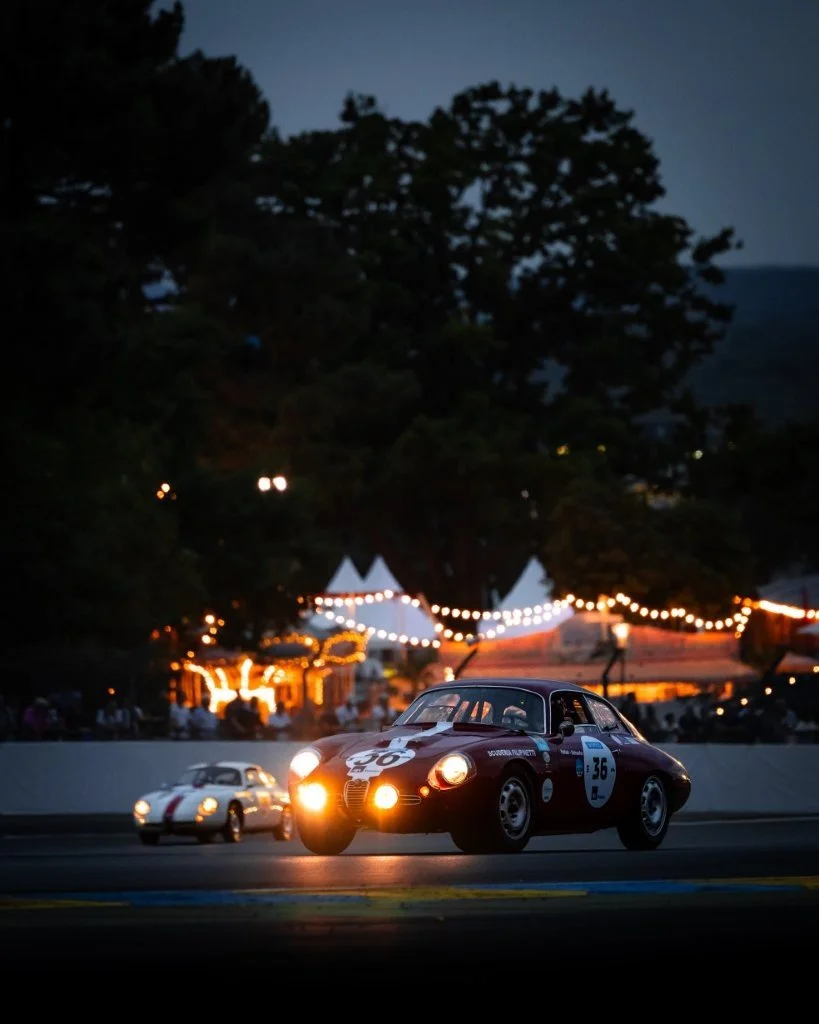
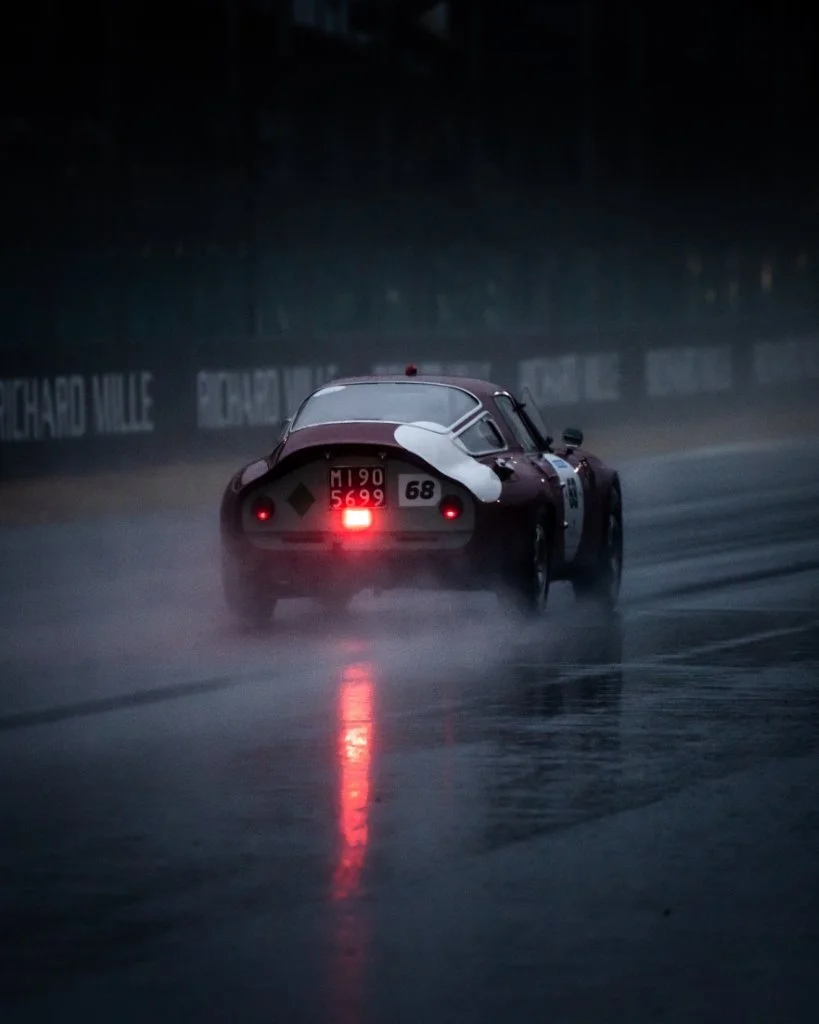
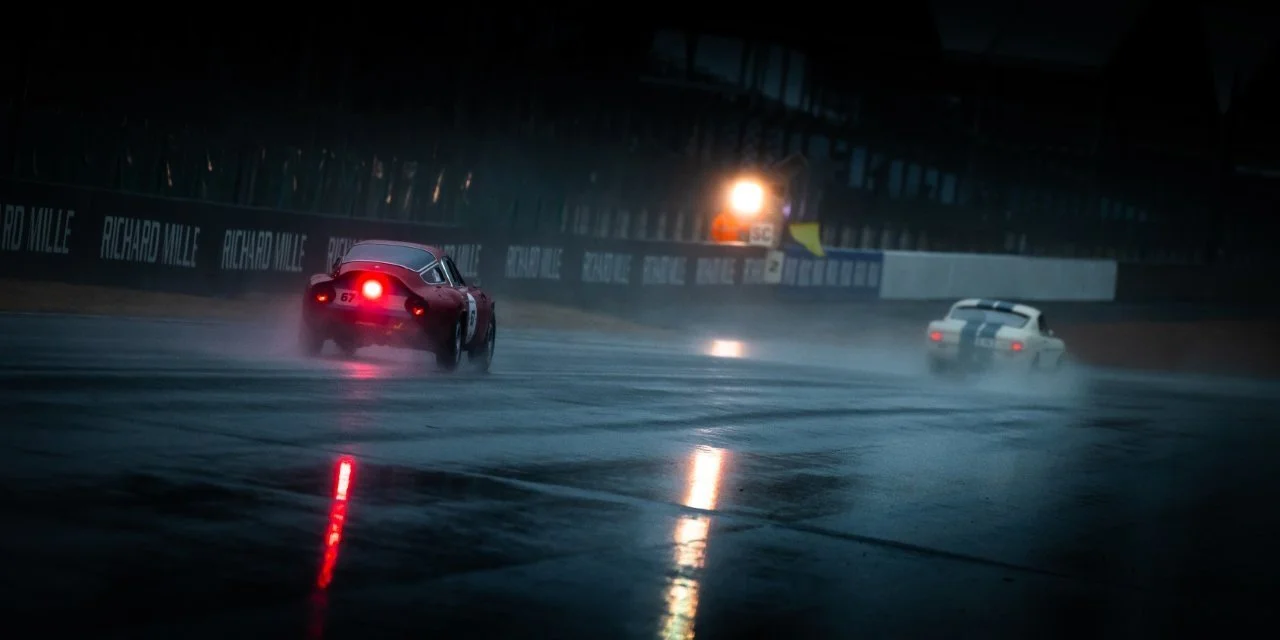
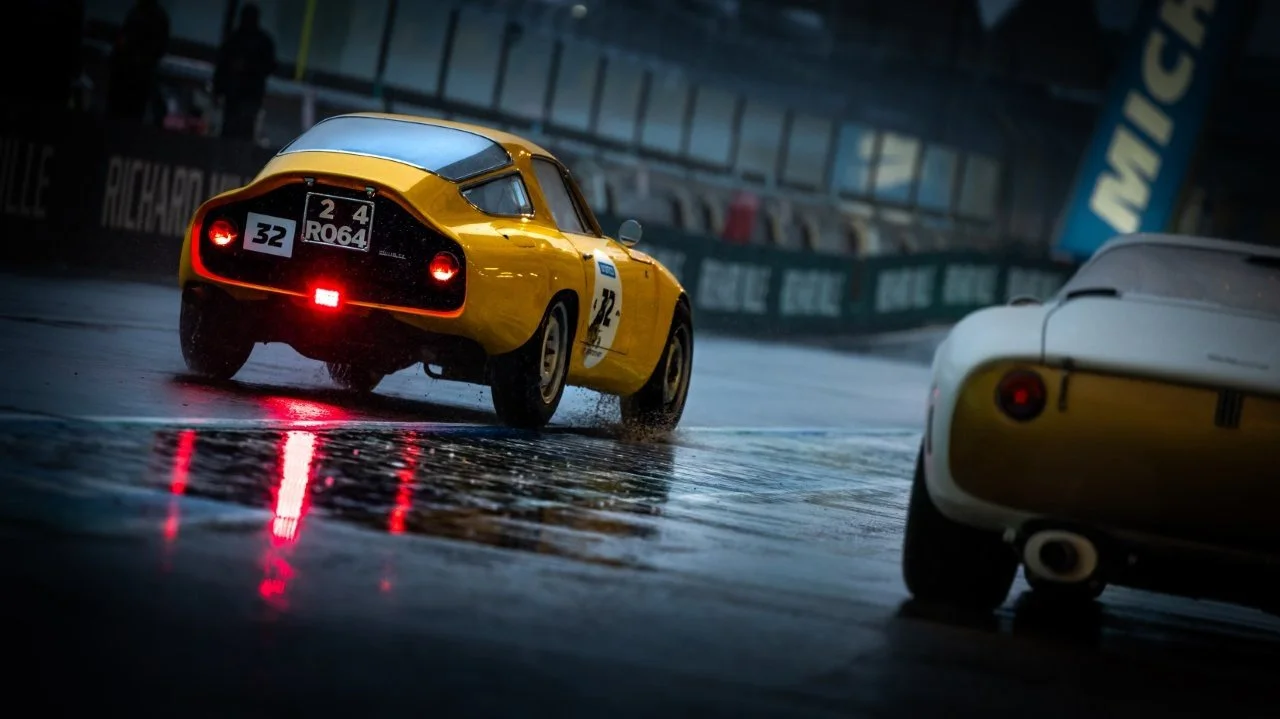
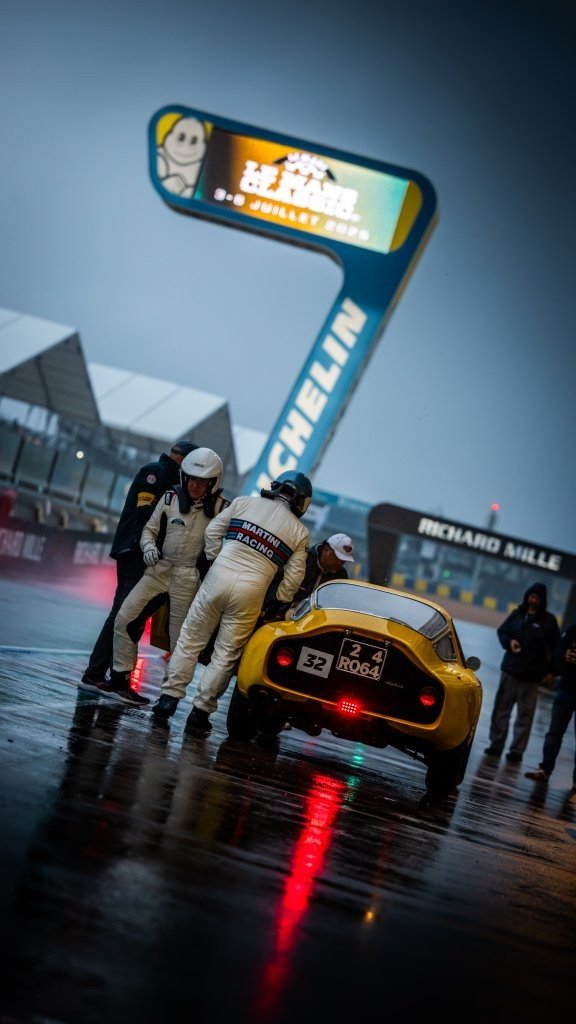
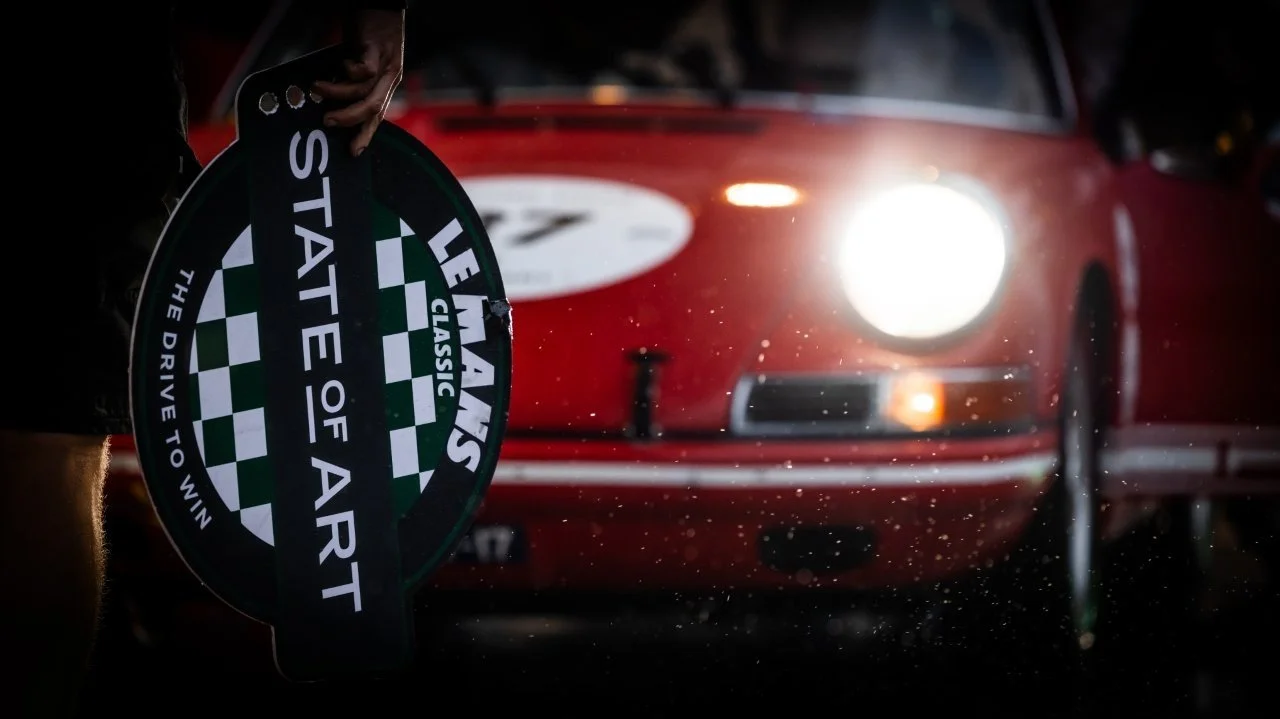
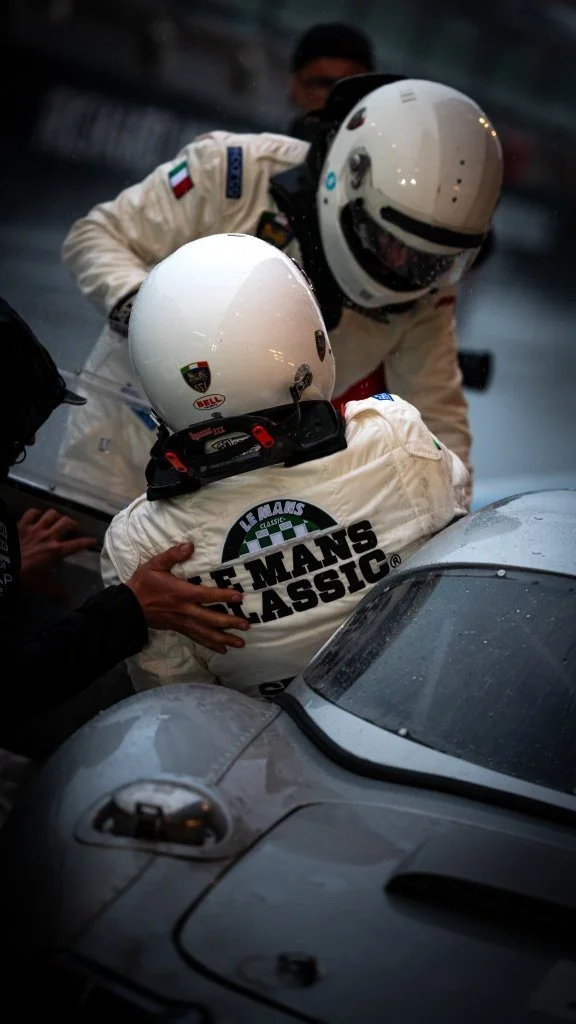
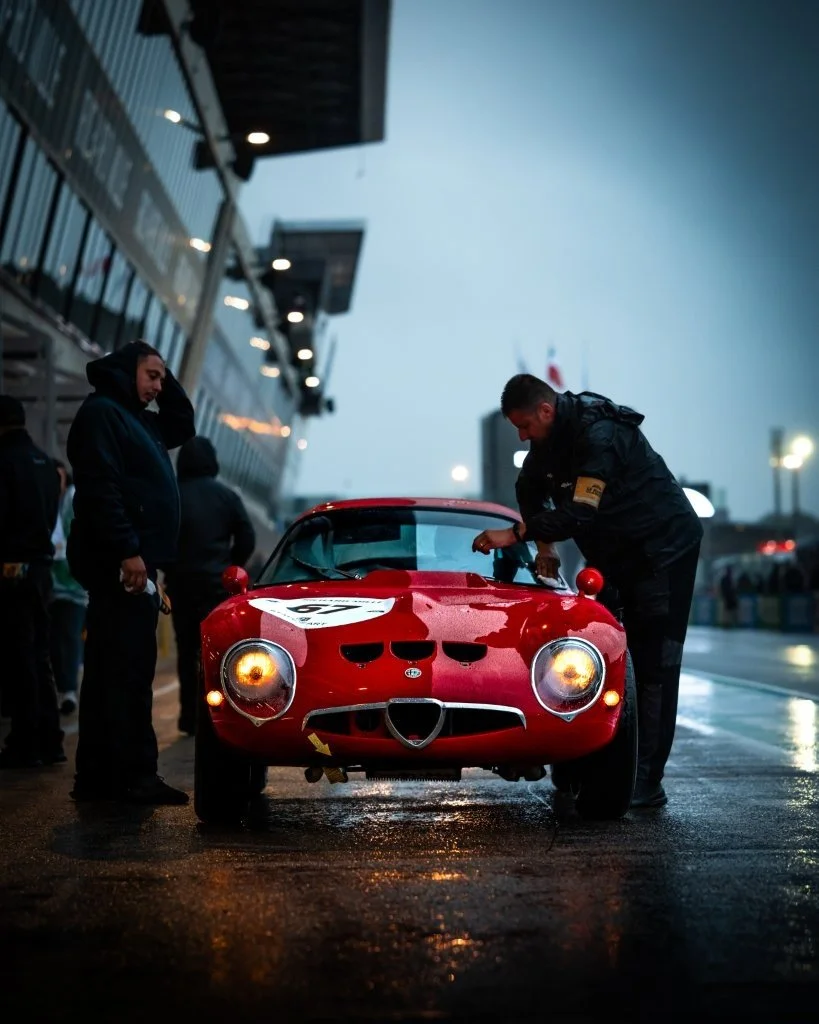
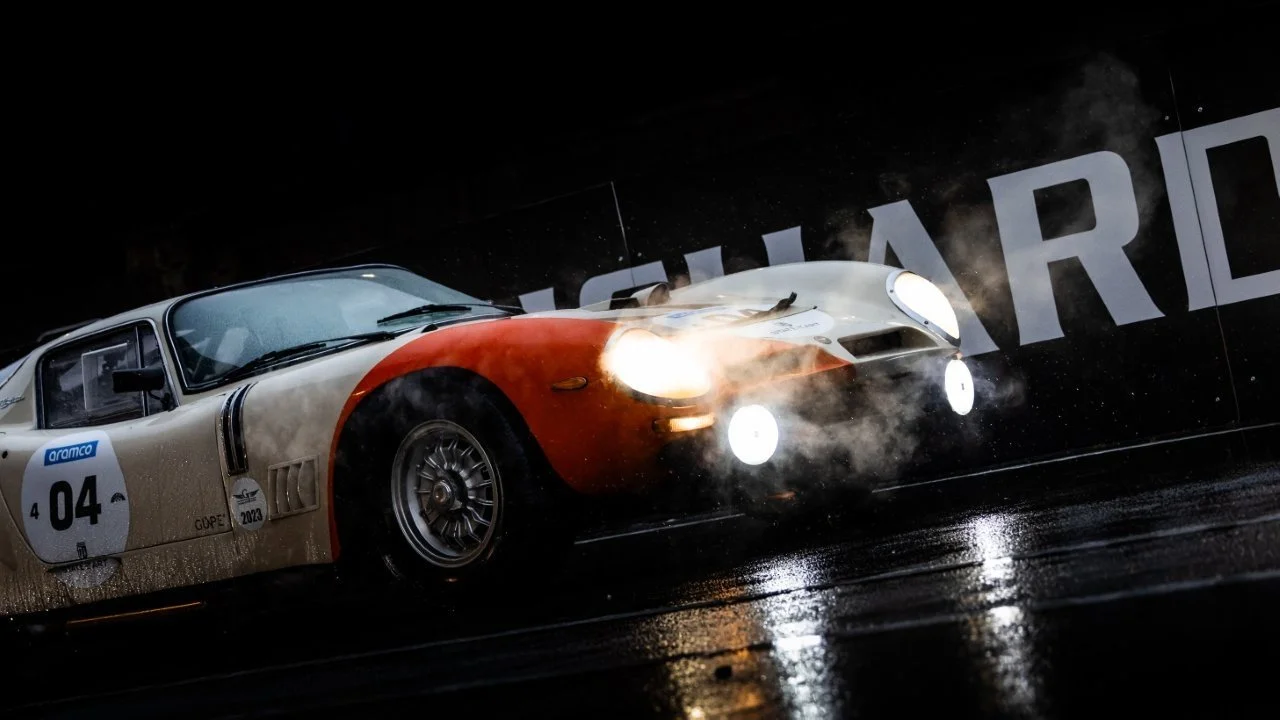
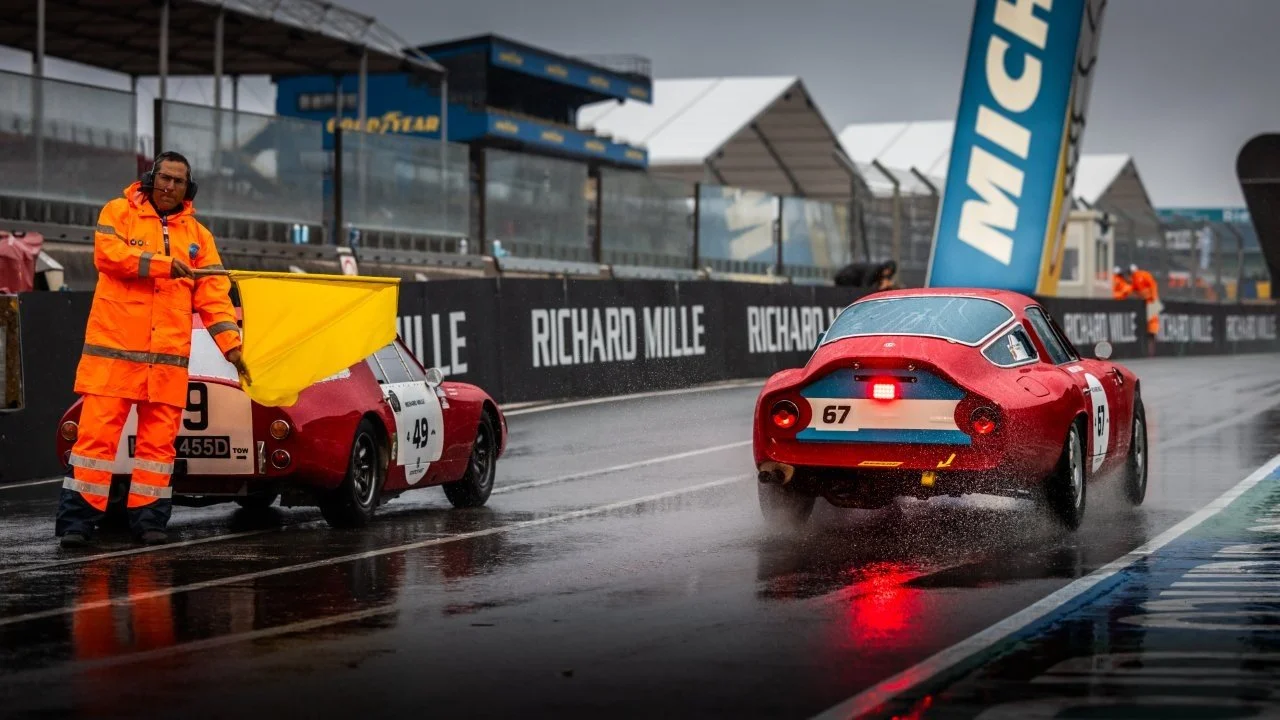
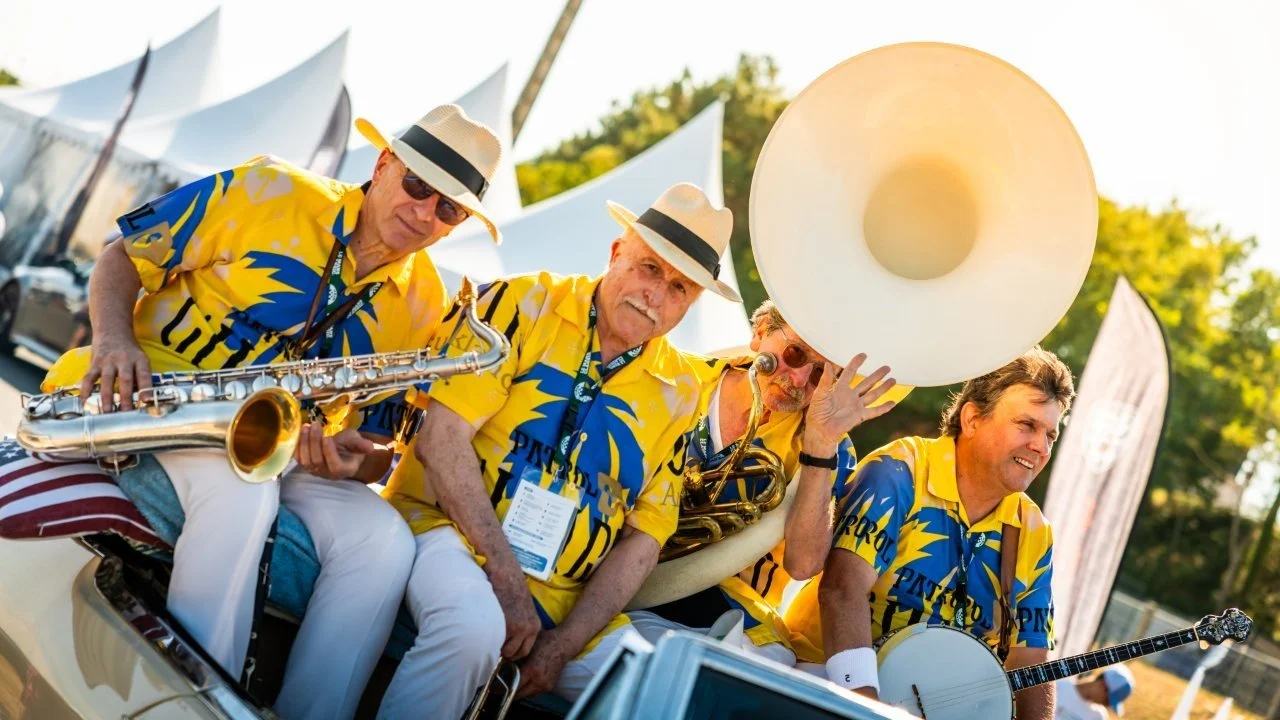
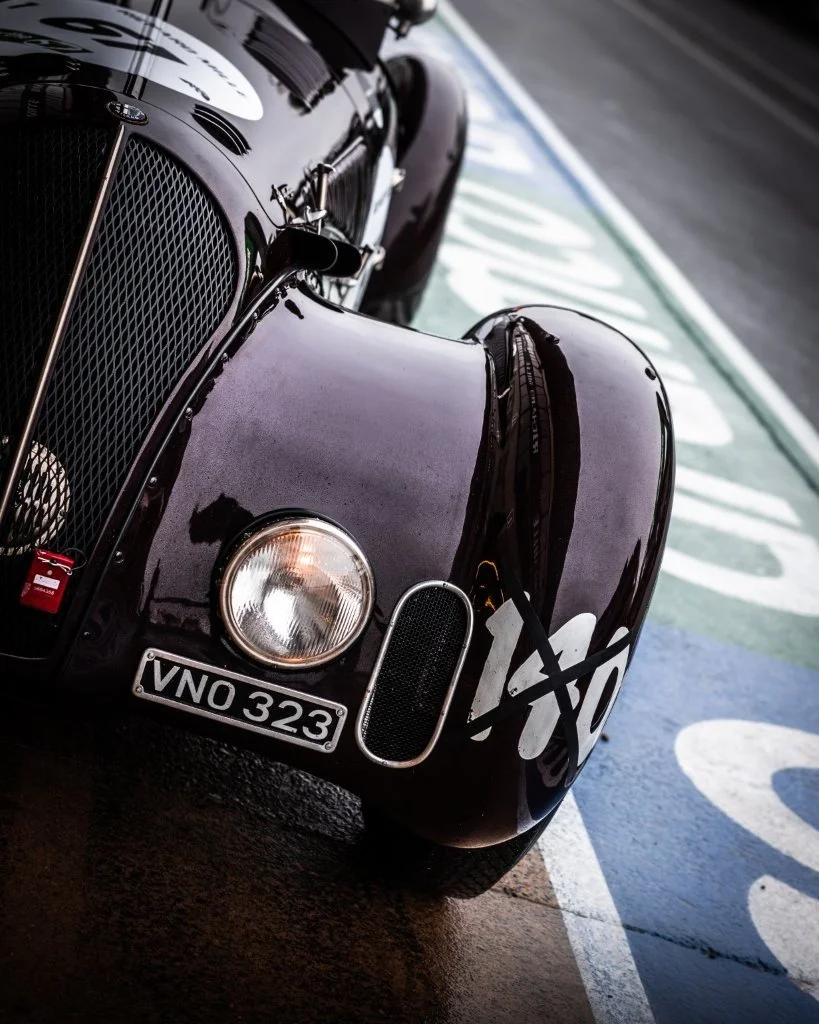
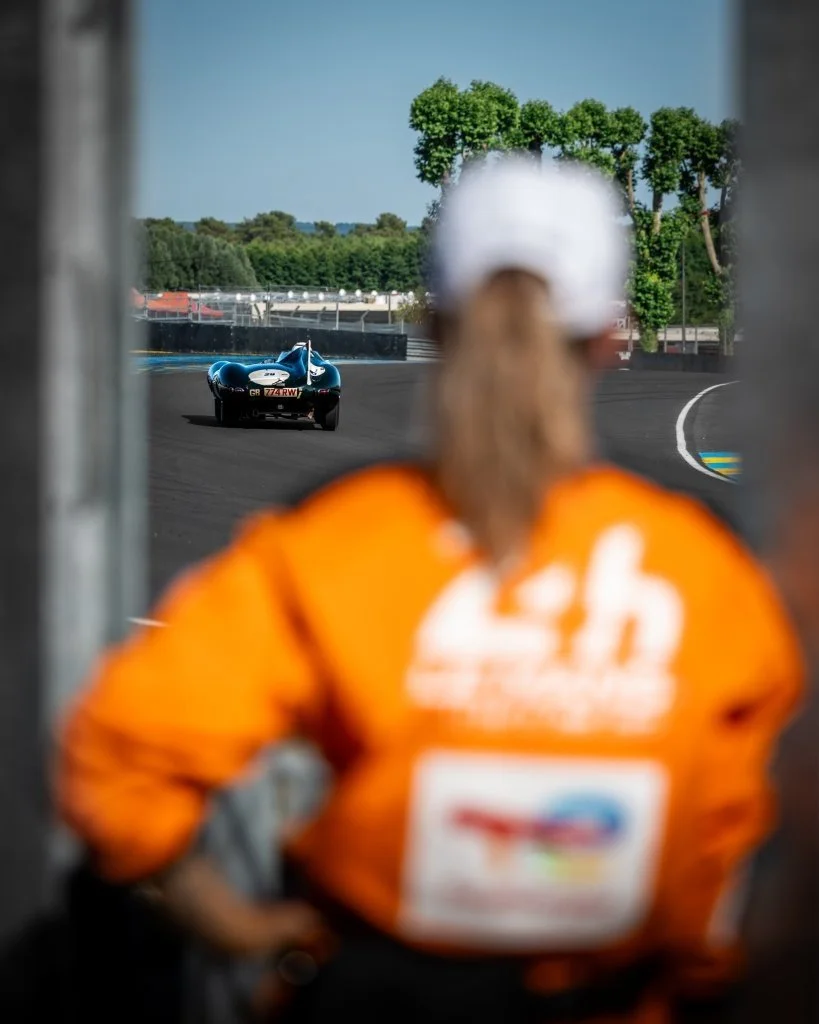
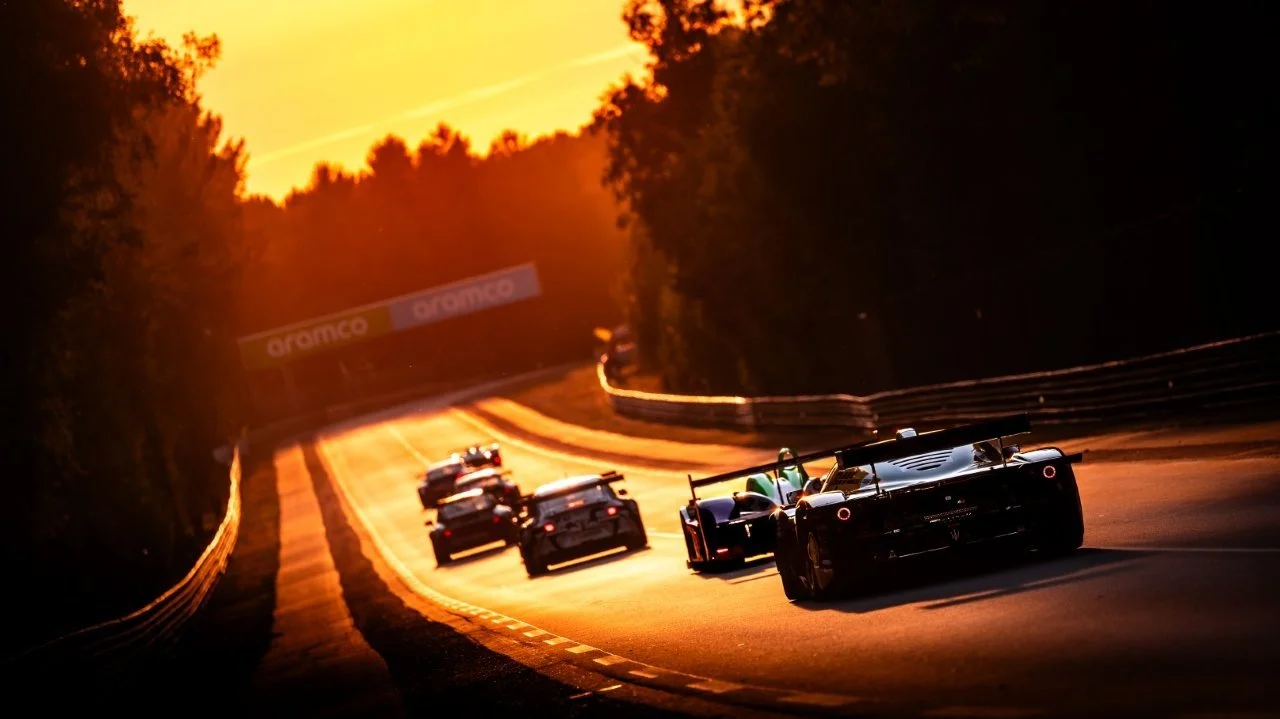
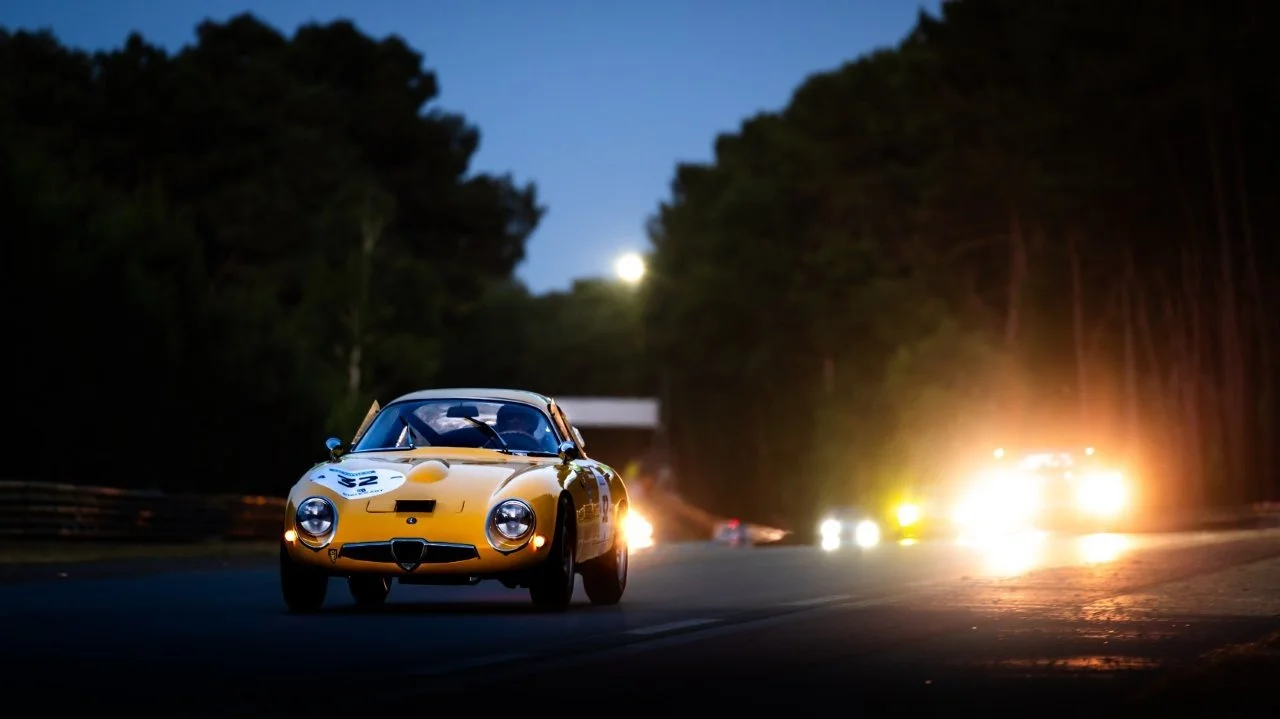
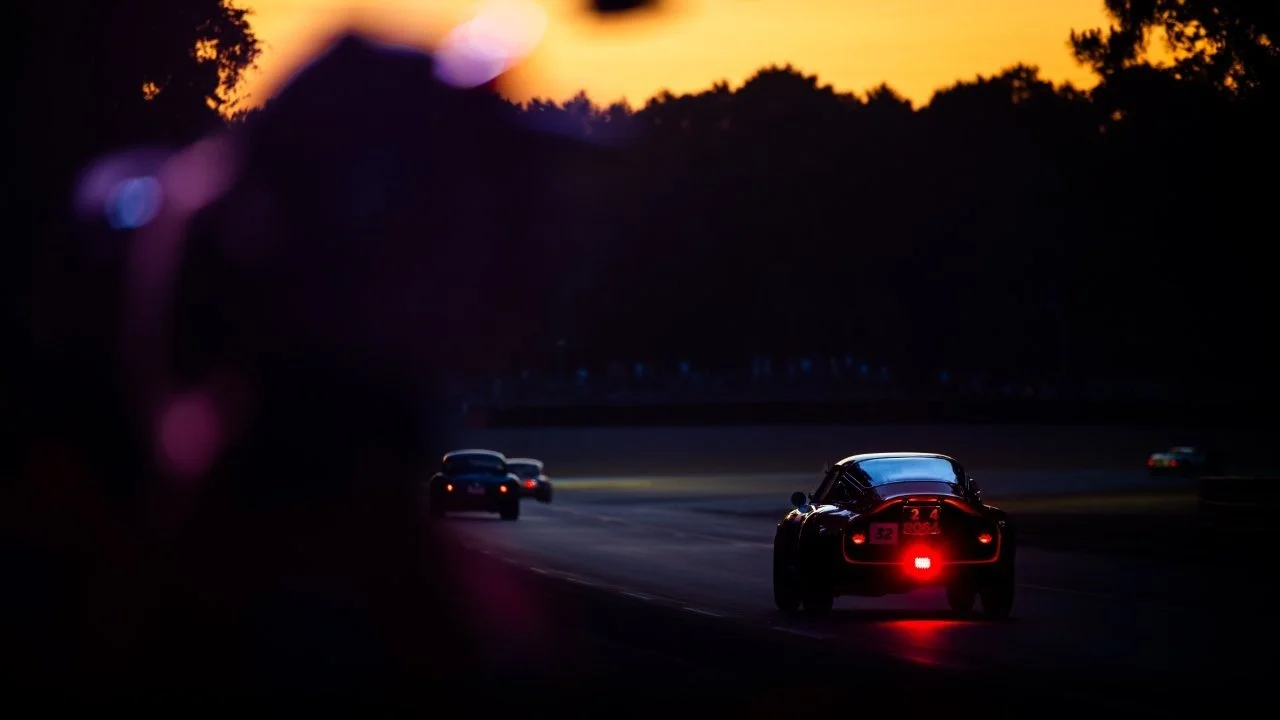
Le Mans owes nothing to anyone, and with a length of over 13km, it's a ruthless place for photographers. This year, the weather conditions were varied as they were tough. We got burnt out on the first two days, briefly rewarded by a spectacular sunset on Friday, but still with very hard light throughout the day, before being drowned in a rainstorm on Sunday. The heat drained everyone’s strength, resulting in a general lack of inspiration, and the rather dull route to the various spots around the circuit didn't help either. It was by far the most demanding experience I've had from a creative angle in recent times. But as with everything else in life, besides my shots to attest I was there, this event contributed highly to my learning curve - an excellent experience that made me realise certain practical things and that will help me evolve my approach to this kind of event and to automotive photography in the future. And if my photography will get better in the future I could also say it was because of Le Mans Classic 2025!